Adaptive Algorithms Tailoring Reel Sequences to Individual Play Patterns in Mobile Gambling Apps
Dana Patterson · Jul 9, 2026

Adaptive Algorithms Tailoring Reel Sequences to Individual Play Patterns in Mobile Gambling Apps
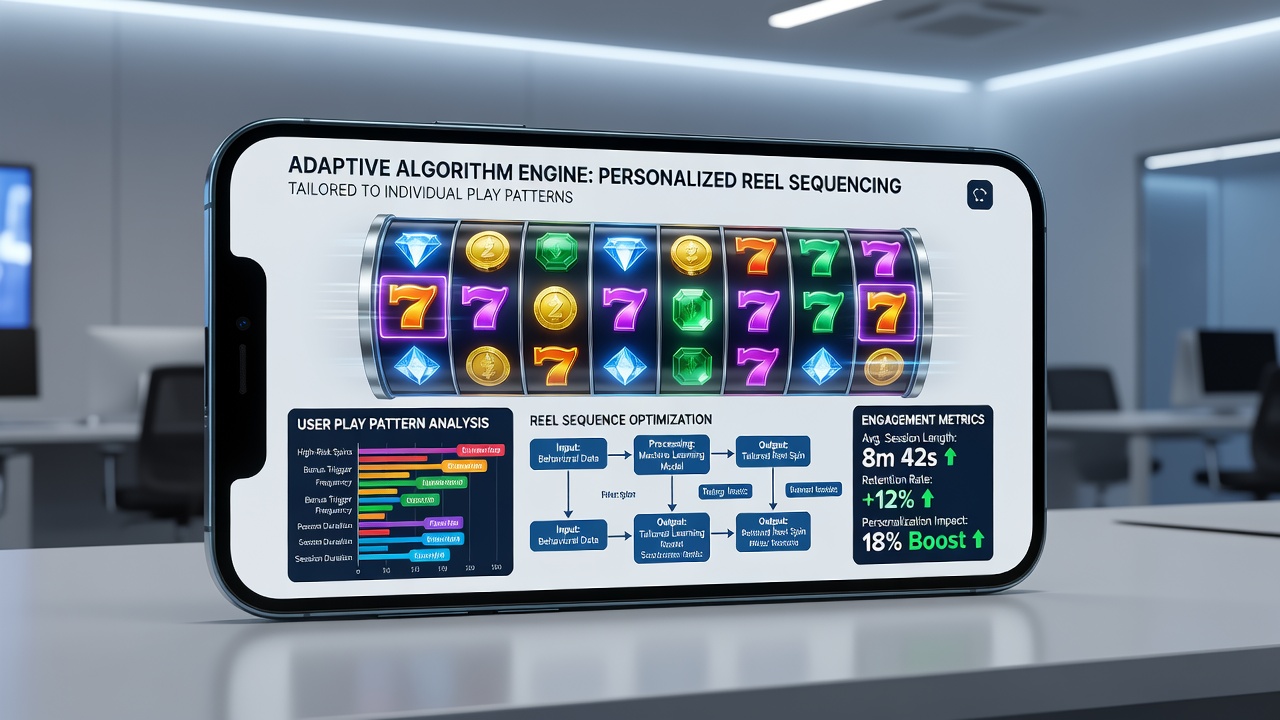
Developers in the mobile gambling sector deploy adaptive algorithms that monitor session metrics such as bet frequency, spin duration, and payout preferences, then adjust reel configurations and bonus triggers accordingly while maintaining certified random number generator standards. These systems collect anonymized behavioral data through app interfaces and feed it into machine learning models that refine sequence probabilities without altering core fairness certifications required by licensing authorities.
Data Collection Mechanisms in Mobile Environments
Apps record touch patterns, session length, and wager adjustments in real time, then transmit encrypted packets to backend servers where clustering algorithms group users by engagement profiles. Researchers at institutions tracking digital entertainment have documented how these profiles influence the frequency of near-miss events and feature activations, creating differentiated experiences for high-volume versus casual participants. Regulatory frameworks in multiple jurisdictions mandate that such adaptations remain within audited parameters, so operators submit updated algorithm documentation during periodic reviews.
Technical Architecture Behind Sequence Adaptation
Core engines combine reinforcement learning loops with historical datasets to predict optimal reel stops that sustain player retention metrics, and the process occurs server-side to prevent client-side manipulation. When a user exhibits extended low-stake sessions, the model may elevate the occurrence of small incremental wins or free-spin qualifiers, whereas rapid high-stake patterns can trigger elevated volatility segments. Industry reports from the New Jersey Division of Gaming Enforcement note that all modifications undergo independent laboratory testing before deployment, ensuring compliance with return-to-player thresholds published in licensing conditions.
Regulatory Developments Through Mid-2026
By July 2026 several oversight bodies introduced updated guidelines requiring operators to log every adaptive decision for audit trails that regulators can query within 48 hours of a compliance request. Australian Communications and Media Authority guidelines emphasize transparency reports that disclose how player-pattern data influences reel weighting, and operators must publish summaries of these adjustments on public dashboards. These measures emerged after multi-year consultations with academic groups studying behavioral analytics in digital wagering environments.
European operators outside the United Kingdom have aligned with similar documentation standards, although implementation timelines vary by member state. Certification labs now test both baseline RNG outputs and the adaptive overlay layers separately, producing dual verification reports that licensing boards review before approving live updates.
Observed Effects on Session Metrics
Studies released by university research centers indicate measurable shifts in average session duration when algorithms respond to individual patterns, with some cohorts showing extended play intervals while others reach self-imposed limits more rapidly. Operators track these outcomes through aggregated dashboards that compare pre- and post-adaptation key performance indicators, yet they must still respect responsible gambling tools such as deposit caps and reality checks that override algorithmic suggestions. Data from Canadian provincial gaming corporations reveal that transparent disclosure of adaptive features correlates with higher player trust scores in post-session surveys conducted by independent polling firms.
Integration With Existing Game Certification
Every adaptive layer operates atop previously certified base games, so the underlying symbol distribution tables remain fixed while dynamic weighting tables adjust only within pre-approved variance bands. Testing houses apply stress scenarios that simulate thousands of play-pattern archetypes to confirm that theoretical return percentages stay constant across the entire player population. This layered approach allows developers to introduce personalization without triggering full recertification cycles each time a minor model update occurs.
Future Trajectory and Industry Standards
Trade associations representing mobile platform providers have begun drafting voluntary interoperability standards for sharing anonymized pattern datasets, aiming to reduce redundant data collection across multiple operators. Academic papers published in 2025 and 2026 explore the computational overhead of running these models on edge devices versus centralized cloud instances, highlighting trade-offs between latency and privacy preservation. Observers note that continued refinement of these systems will depend on evolving regulatory clarity regarding the acceptable scope of behavioral targeting within licensed gambling products.
Conclusion
Adaptive algorithms that tailor reel sequences represent a convergence of data science, regulatory compliance, and mobile application design, and their deployment continues under increasing scrutiny from licensing authorities worldwide. Documentation requirements effective through 2026 ensure that every adjustment remains traceable and auditable, while independent testing preserves the integrity of certified random outcomes. As mobile gambling platforms expand, the technical and oversight frameworks surrounding these personalization engines will likely undergo further refinement based on empirical findings from multiple jurisdictions.