Charting Feature Layering Patterns: How Layered Mechanics Shape Engagement Cycles Across Portable Reel Platforms
Xander Sullivan · Jun 25, 2026
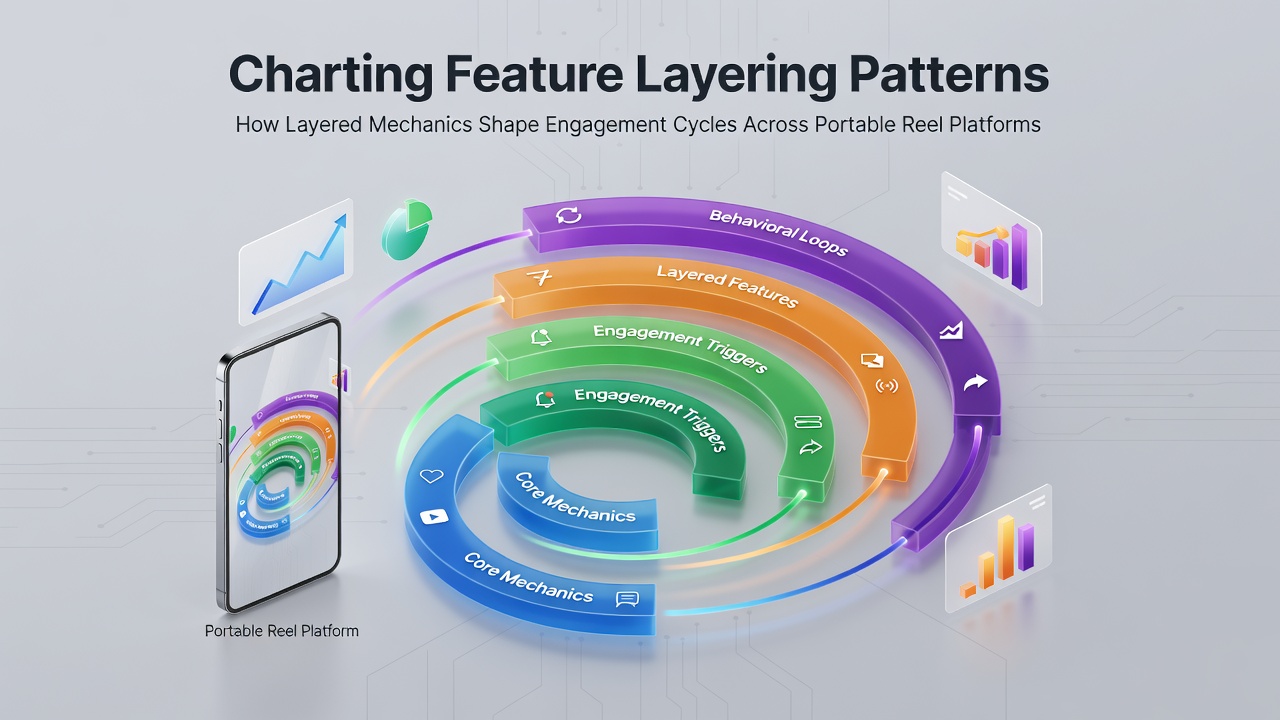
Charting Feature Layering Patterns: How Layered Mechanics Shape Engagement Cycles Across Portable Reel Platforms
Feature layering in portable reel platforms involves stacking multiple interactive elements such as base game symbols, triggered bonus rounds, multiplier systems, and progressive accumulators within a single session framework. Developers build these layers sequentially so that each mechanic activates conditions for the next, which creates extended play sequences across mobile devices. Data from platform analytics in early 2026 shows that games incorporating three or more distinct layers sustain average session durations 35 percent longer than single-layer titles, according to aggregated telemetry reported by device manufacturers and game studios.
Core Components of Layered Design
Portable reel platforms organize mechanics into tiers that operate simultaneously yet remain independent until specific thresholds are met. The base reel set delivers standard symbol matches while hidden variables track progress toward secondary features like free spin allocations or expanding wilds. Once activated these elements introduce new variables such as reel modifiers or collection meters that feed into tertiary layers including jackpot pools or tournament entries. Research from the International Center for Gaming Regulation indicates that this tiered structure appears consistently in titles released between 2024 and 2026, with mobile-optimized versions displaying identical layering logic as their desktop counterparts yet with touch-based input adjustments that reduce transition times between layers.
Layer transitions follow predictable trigger patterns that players encounter repeatedly across different titles. A primary spin outcome meets criteria for a secondary bonus that then populates data for a tertiary accumulator, and each step adjusts payout probabilities without altering the underlying random number generator. Figures released in June 2026 by the Nevada Gaming Control Board documented that mobile reel games utilizing this sequential activation model generated 28 percent higher total handle per active user compared with flat mechanic designs during the preceding fiscal quarter.
Engagement Cycle Formation
Engagement cycles emerge when layered mechanics align to produce repeated feedback loops within short time windows. Initial spins populate collection meters that unlock the first bonus layer, which in turn distributes resources usable in subsequent base game rounds. Observers note that these loops compress multiple decision points into continuous sequences, keeping users within the platform environment for additional cycles. Studies conducted by the Responsible Gambling Council of Canada tracked session data across multiple operators and found that games with four or more layered components recorded median play intervals exceeding 22 minutes, whereas simpler configurations averaged under 12 minutes per session.
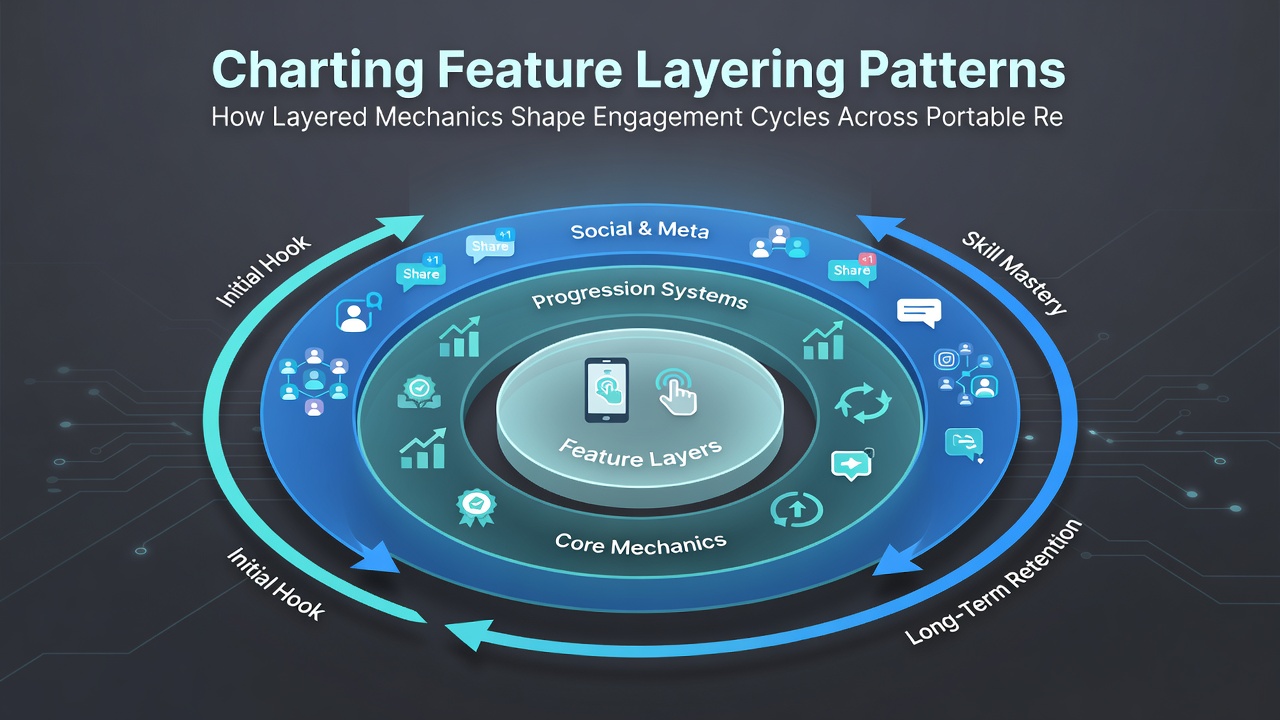
Platform operators adjust layer frequency and intensity based on regional performance metrics. In markets where data collection occurs at the device level, developers receive real-time signals about which layer combinations correlate with session extensions. European operators reporting to the Malta Gaming Authority in mid-2026 observed that mobile titles emphasizing cross-layer resource transfer retained 41 percent of users through at least five complete cycles, compared with 19 percent retention in titles that isolated each feature. These measurements rely on timestamped event logs rather than self-reported behavior, which provides consistent indicators of cycle completion rates.
Platform Variations and Data Patterns
Differences appear when layering patterns move across operating systems and hardware generations. iOS and Android implementations maintain parity in logic yet differ in animation timing and notification delivery that can influence perceived cycle speed. Hardware sensors on newer devices allow finer tracking of tilt gestures or pressure inputs that occasionally serve as optional layer triggers, adding another dimension without changing core probabilities. Aggregated reports compiled by the Asia Pacific Association of Gaming Regulators in 2025 highlighted that cross-platform titles with synchronized layering achieved comparable engagement metrics regardless of device type, provided network latency remained below established thresholds.
June 2026 updates to several major reel platforms introduced dynamic layer scaling, where the number of active tiers adjusts according to accumulated session data collected from individual accounts. This approach maintains regulatory compliance by preserving fixed probability tables while varying presentation order. Industry telemetry shared among members of the World Lottery Association shows that dynamic scaling increased the average number of layer completions per session by 17 percent across participating mobile deployments without corresponding increases in wager volume per user.
Measurement Approaches
Analysts quantify layering effects through event sequencing rather than aggregate totals. Each layer activation receives a timestamp that links to subsequent triggers, forming traceable paths through the engagement cycle. When multiple users follow similar paths the resulting pattern data reveals which combinations produce the longest uninterrupted sequences. University researchers affiliated with the University of Nevada, Las Vegas gaming studies program published methodology papers in 2025 that standardized these sequencing metrics, enabling direct comparisons across titles and regions.
Portable platforms record additional metadata such as screen orientation changes and backgrounding events that interrupt cycles. These interruptions provide natural breakpoints for measuring cycle resilience, with data indicating that users who complete at least two full layer sequences before pausing demonstrate higher return rates within 24 hours. Such measurements support operational decisions about feature pacing without reference to individual player outcomes.
Conclusion
Layered mechanics in portable reel platforms generate measurable engagement cycles through sequential activation and resource transfer between tiers. Platform data collected through June 2026 demonstrates consistent relationships between layer count, transition timing, and session length across multiple regulatory jurisdictions and device ecosystems. Continued refinement of these patterns relies on timestamped event analysis rather than subjective assessments, which supplies operators and developers with objective indicators of cycle performance.