Charting the Synchronization of Verification Protocols with Dynamic Reward Triggers Across Portable Reel Interfaces
Dana Patterson · Aug 11, 2026
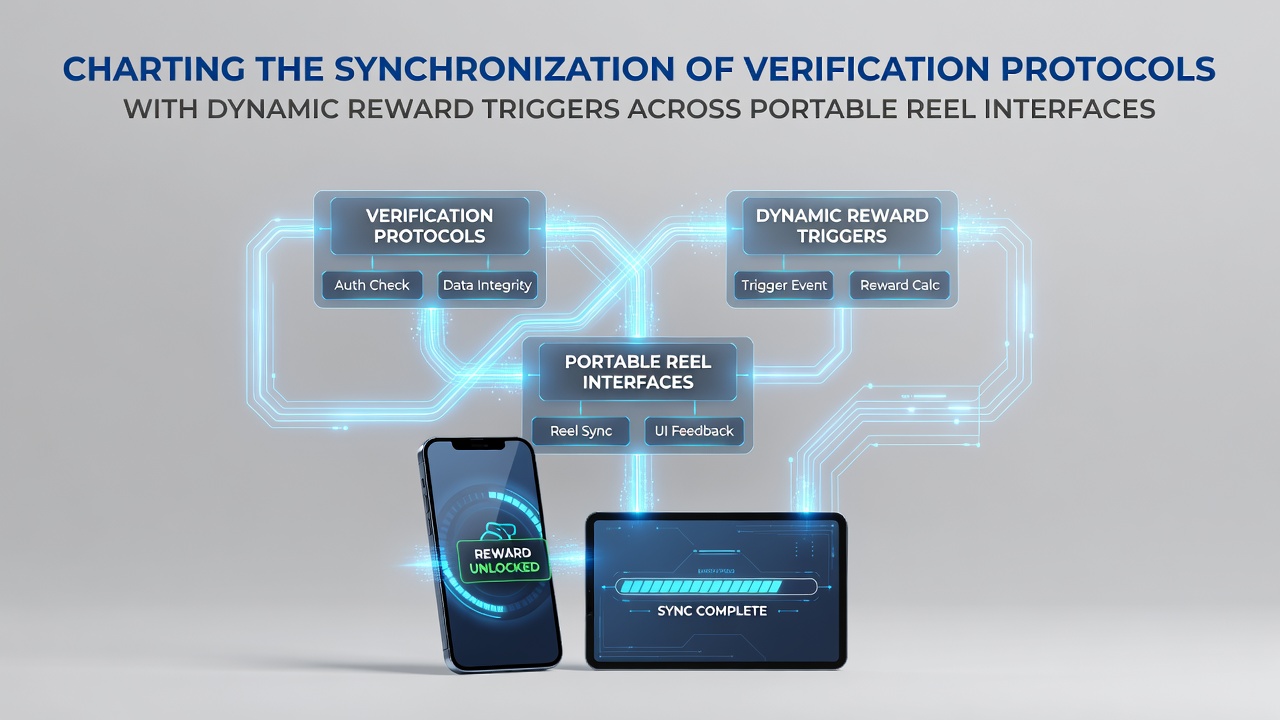
Charting the Synchronization of Verification Protocols with Dynamic Reward Triggers Across Portable Reel Interfaces
Portable reel interfaces on smartphones and tablets have grown into sophisticated platforms where verification protocols align directly with dynamic reward systems, and this integration shapes how players access bonuses, free spins, and jackpot features. Data from industry reports indicate that mobile gaming accounts for over 60 percent of global online slot activity, which pushes developers to refine the timing between identity checks and reward activation. Observers note that seamless synchronization reduces friction while maintaining compliance standards across different jurisdictions.
Verification Protocols in Mobile Environments
Verification protocols typically involve document uploads, biometric scans, and database cross-checks that confirm player eligibility before rewards activate, yet these steps now operate in real time on portable devices. Researchers at academic institutions have documented how API connections link third-party services to slot platforms, allowing age and identity data to flow instantly into the reward engine. Studies reveal that platforms using automated verification complete the process in under 30 seconds on average, which keeps users engaged with the reels rather than waiting on separate screens.
Regional variations appear in how these protocols handle data, with some markets requiring additional layers such as address confirmation or source-of-funds checks, while others focus primarily on age gates. Those who've examined mobile slot architectures find that portable interfaces often embed verification prompts within the gameplay flow, so players encounter them during initial deposits or after hitting certain spin thresholds. This approach maintains regulatory alignment without halting the session entirely.
Dynamic Reward Triggers and Their Mechanics
Dynamic reward triggers respond to player behavior, account status, and verification milestones by releasing tailored bonuses or multiplier boosts, and synchronization occurs when the verification layer signals completion to the trigger system. Figures from gaming analytics firms show that players who complete verification early receive reward triggers at higher rates than those who delay the process. The system monitors variables like deposit frequency and spin volume, then adjusts trigger sensitivity accordingly, which creates personalized experiences across different portable reel titles.
Engineers design these triggers to activate during live sessions on handheld devices, so a verified player might see an instant free-spin bundle appear after a specific number of consecutive plays. Data indicates that such timing increases retention metrics, because rewards feel responsive rather than delayed. Yet the underlying algorithms also account for responsible gaming flags, pausing triggers if patterns suggest excessive play before full verification clears.
Synchronization Across Portable Interfaces
Portable reel interfaces demand low-latency connections between verification databases and reward servers, which developers achieve through edge computing and cached protocols that function even during brief network dips. One study revealed that synchronization failures drop below 2 percent when platforms use hybrid cloud setups, allowing mobile users to continue spinning while backend checks finalize. What's interesting is how gesture-based controls on touchscreens now include hidden verification pathways, so swiping to confirm identity can simultaneously queue a reward trigger without extra taps.
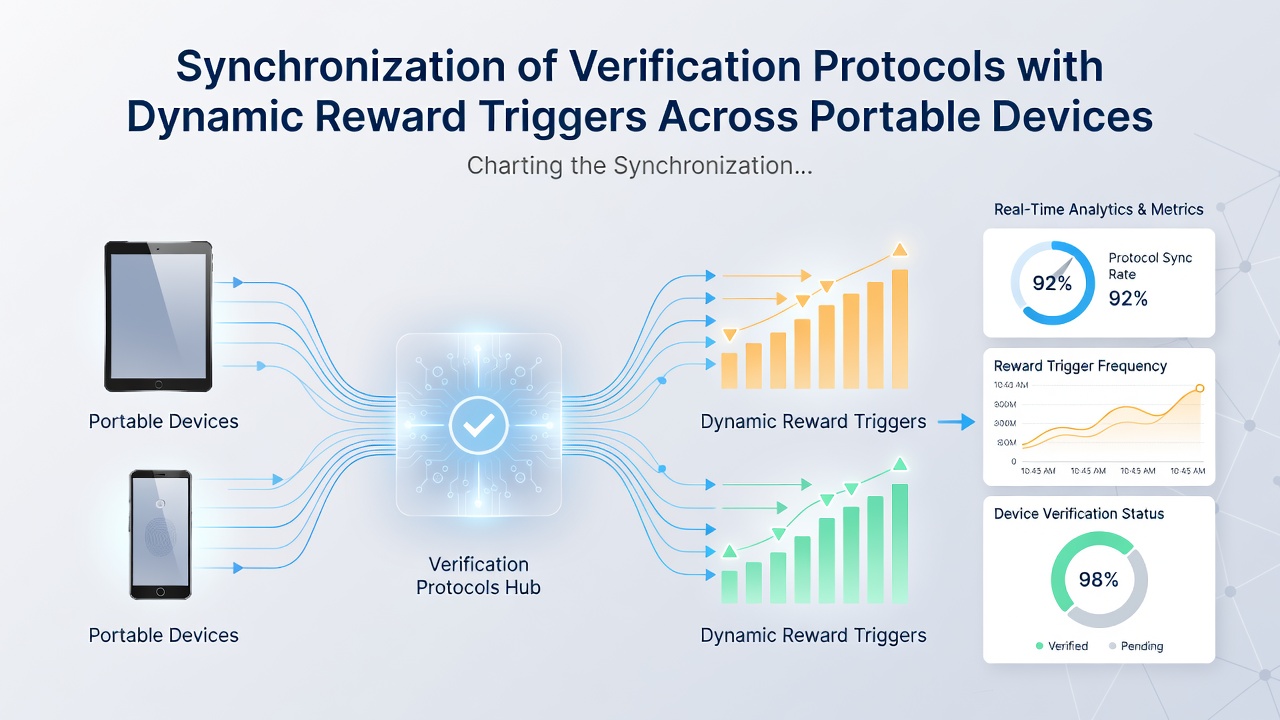
Take one operator who integrated biometric verification directly into the reel spin button, and observers note that this reduced drop-off rates during the onboarding phase. The process works because the system cross-references facial or fingerprint data against stored records, then releases dynamic rewards such as deposit matches or jackpot entries in the same flow. External sources like the American Gaming Association track how these integrations affect player movement between desktop and mobile environments, showing consistent patterns in reward uptake when verification stays synchronized.
Regulatory and Technical Considerations Through August 2026
Updates scheduled around August 2026 introduce new data encryption standards for portable interfaces, which require verification protocols to transmit reward trigger signals through additional security layers. Canadian regulatory bodies have published guidelines that emphasize real-time auditing of these synchronized systems, ensuring triggers cannot activate without verified status. European research papers highlight similar trends, noting that mobile slot providers must log every synchronization event for compliance reviews that occur quarterly.
Industry organizations report that platforms adopting these standards see fewer disputes over bonus eligibility, because the verification timestamp aligns precisely with reward release. Those monitoring the sector find that portable reel titles incorporating geo-location checks alongside identity verification further tighten trigger accuracy, preventing cross-border reward mismatches. The result appears in aggregated figures that show higher player satisfaction scores tied to faster, more reliable reward delivery.
Implementation Examples and Data Trends
Case examples from operators demonstrate how synchronization reduces support queries related to missing bonuses, since verified accounts trigger rewards automatically upon meeting criteria. Research indicates that titles using machine learning to predict optimal trigger points after verification completion experience up to 25 percent increases in average session length. Players often discover these patterns when switching between different handheld devices, where the system maintains consistent verification status across sessions through secure cloud profiles.
Another source, the Responsible Gambling Council, compiles data showing that synchronized systems help enforce spending limits by tying reward availability to verified account parameters. This setup allows dynamic adjustments, such as lowering trigger frequency for accounts that approach self-imposed thresholds, all while preserving the flow on portable interfaces. Technical audits confirm that these mechanisms operate without introducing noticeable lag during reel spins or live updates.
Conclusion
Charting the synchronization of verification protocols with dynamic reward triggers reveals a tightly coordinated system that operates across portable reel interfaces, supported by real-time data exchange and evolving technical standards. Evidence from multiple regions points to continued refinement in how these elements connect, particularly as mobile usage dominates slot activity. The patterns documented through mid-2026 suggest that precise alignment between verification and rewards will remain central to platform design, shaping access to bonuses and features for users worldwide.