Chronological Mapping of User Enrollment, Funding Channels, and Helpdesk Interactions Affecting Prize Pool Entries in App-Based Casino Offerings
Dana Patterson · Jun 4, 2026
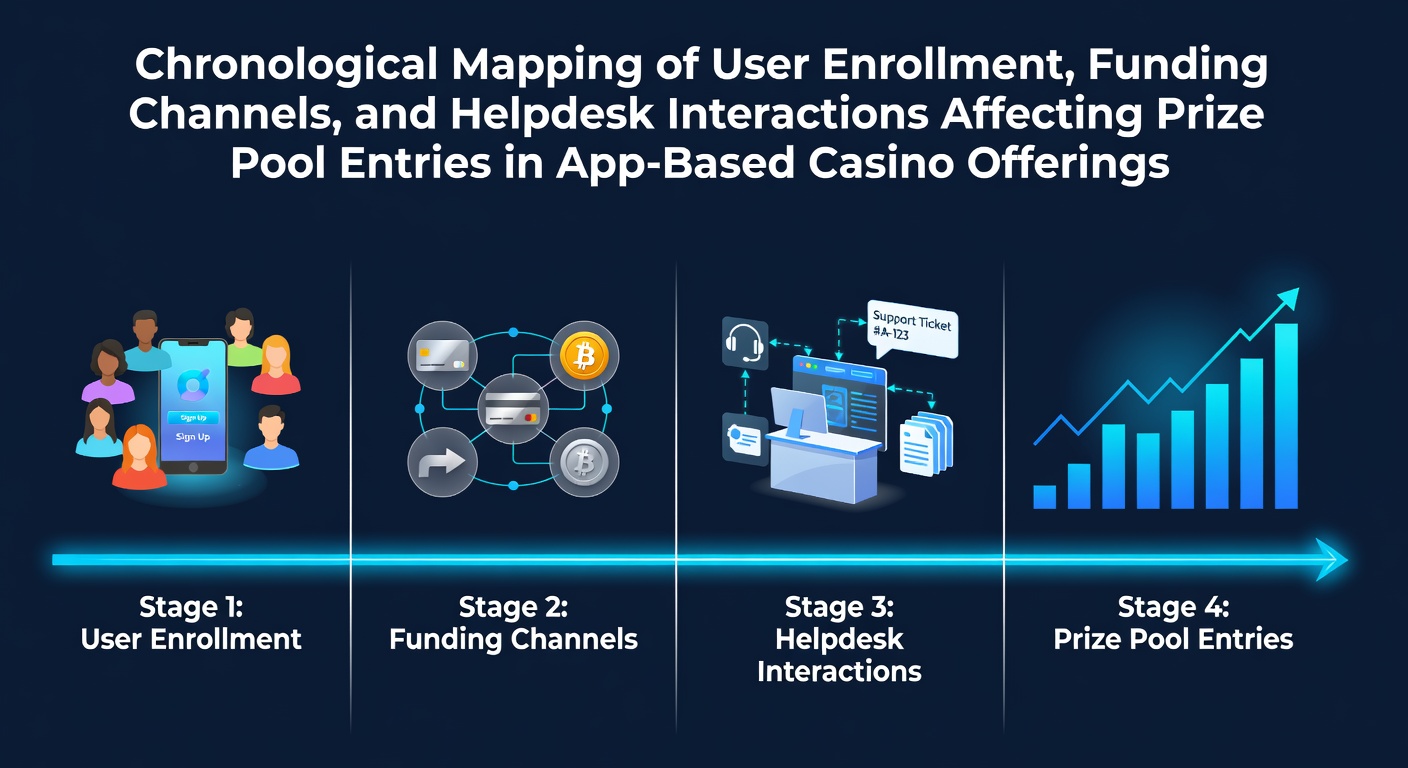
Chronological Mapping of User Enrollment, Funding Channels, and Helpdesk Interactions Affecting Prize Pool Entries in App-Based Casino Offerings
App-based casino platforms track user journeys through structured sequences that begin with enrollment and extend through payment processing and support contacts, each stage feeding into eligibility for prize pool participation. Researchers at institutions tracking digital gaming have documented how these timelines influence entry into progressive and shared reward systems, with data from industry reports indicating measurable correlations between process timing and pool contributions. Observers note that mapping these paths reveals patterns in how registration completion, deposit execution, and query resolution align with jackpot access windows across mobile applications.
Enrollment Sequences and Initial Pool Eligibility
Registration flows start with account creation, identity verification, and device pairing, all of which establish baseline records that platforms use to validate later prize pool entries. Studies compiled by groups such as the American Gaming Association show that delays in verification steps can shift users outside active contribution periods for certain progressive systems. Those who've examined enrollment logs find that successful account activation within the first session often coincides with immediate eligibility flags for upcoming draws, whereas extended verification periods push participation into subsequent cycles. Mobile apps frequently log timestamps at each checkpoint, creating chronological datasets that operators analyze to refine entry thresholds.
Funding Channels and Their Placement in the Timeline
Payment methods integrate directly after enrollment, with transaction records forming the next layer of data that determines contribution levels to prize pools. Funding options range from card processors to digital wallets, each carrying distinct processing speeds that affect when users can begin accumulating toward pool thresholds. Evidence from operational analyses indicates that instant funding paths allow earlier entry into live prize cycles compared with batch-processed methods, altering the volume of eligible participants at any given moment. Platforms record these sequences to maintain audit trails, and figures from regulatory reviews in various jurisdictions demonstrate how funding timestamps link to pool allocation formulas.
Support Interactions as Timeline Modifiers
Helpdesk engagements occur at multiple points along the user path, often resolving friction in enrollment or funding that would otherwise block pool access. Resolution times documented in platform metrics reveal that swift support responses keep users within active contribution windows, while prolonged cases can defer entries until later periods. Those mapping these interactions note that queries about verification or transaction status frequently precede successful prize pool additions, with support logs providing the connective data between earlier stages and final eligibility. In June 2026, several app operators introduced enhanced ticketing systems that timestamp each exchange, improving the granularity of chronological records used for pool calculations.
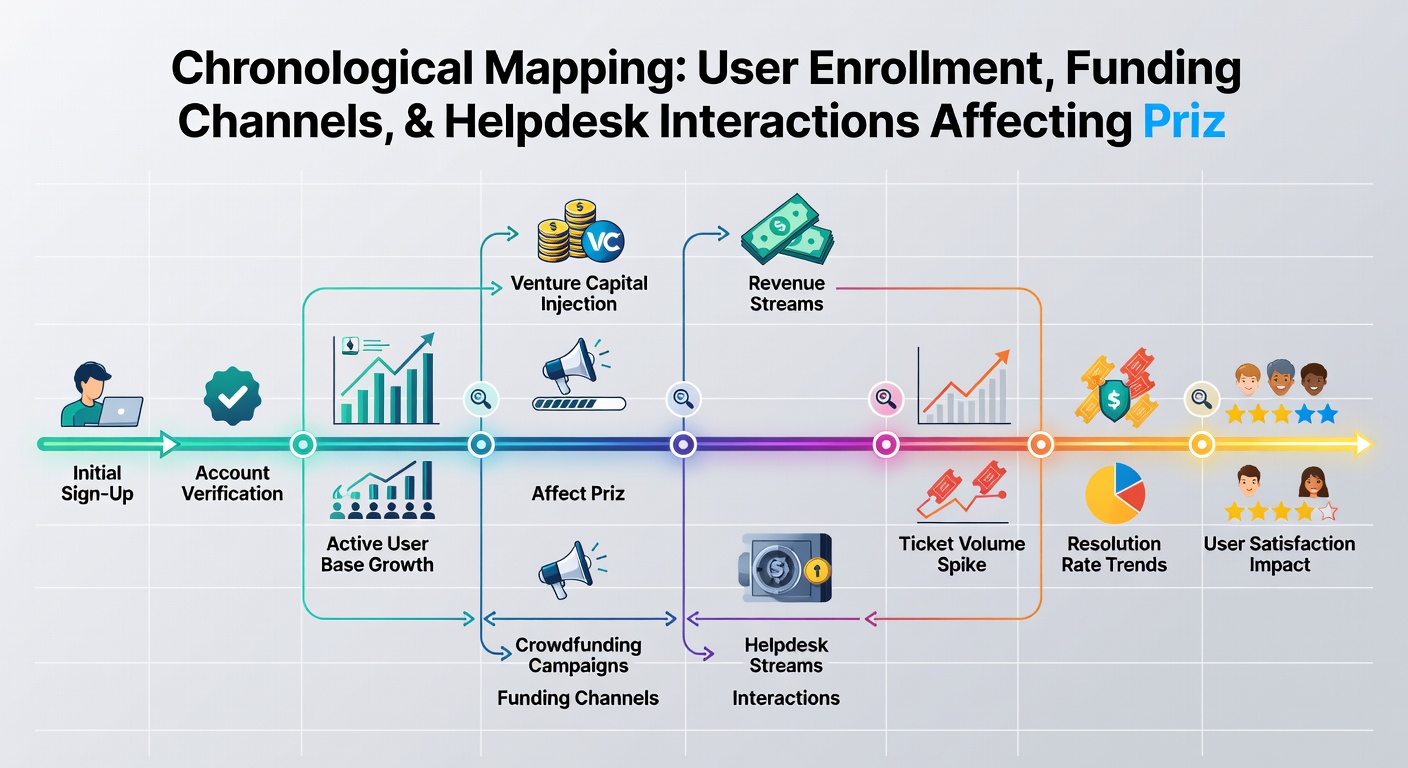
Integrated Mapping Across Mobile Ecosystems
Combined datasets from enrollment, funding, and support create comprehensive timelines that operators consult when determining prize pool distributions. Research compiled through academic channels, including reports referenced by the Responsible Gambling Council, illustrates how synchronized records help identify bottlenecks that reduce participation rates. Users who complete the full sequence without interruption appear more frequently in pool entry statistics, according to aggregated platform data. Observers examining these maps point to recurring sequences where early funding after registration, followed by minimal support needs, aligns with higher volumes of contributions during peak draw periods.
Platform architectures maintain these chronological links through backend logging that captures every transition, allowing precise reconstruction of paths leading to prize eligibility. Variations across different applications reflect differing regulatory environments and technical setups, yet the core structure remains consistent in linking user actions to pool mechanics. Data collected through mid-2026 continues to feed models that predict entry likelihood based on timing patterns observed in prior months.
Conclusion
The chronological framework connecting enrollment, funding, and helpdesk activity supplies operators with actionable records for managing prize pool entries in app-based environments. These mappings continue to evolve with new logging capabilities and regulatory expectations, providing clearer views of how sequential user steps translate into participation outcomes across mobile casino offerings.