Decoding Cross-Platform Data Flows That Link Slot Volatility Settings to Live Dealer Payout Timelines
Freya Fischer · Aug 8, 2026
Decoding Cross-Platform Data Flows That Link Slot Volatility Settings to Live Dealer Payout Timelines
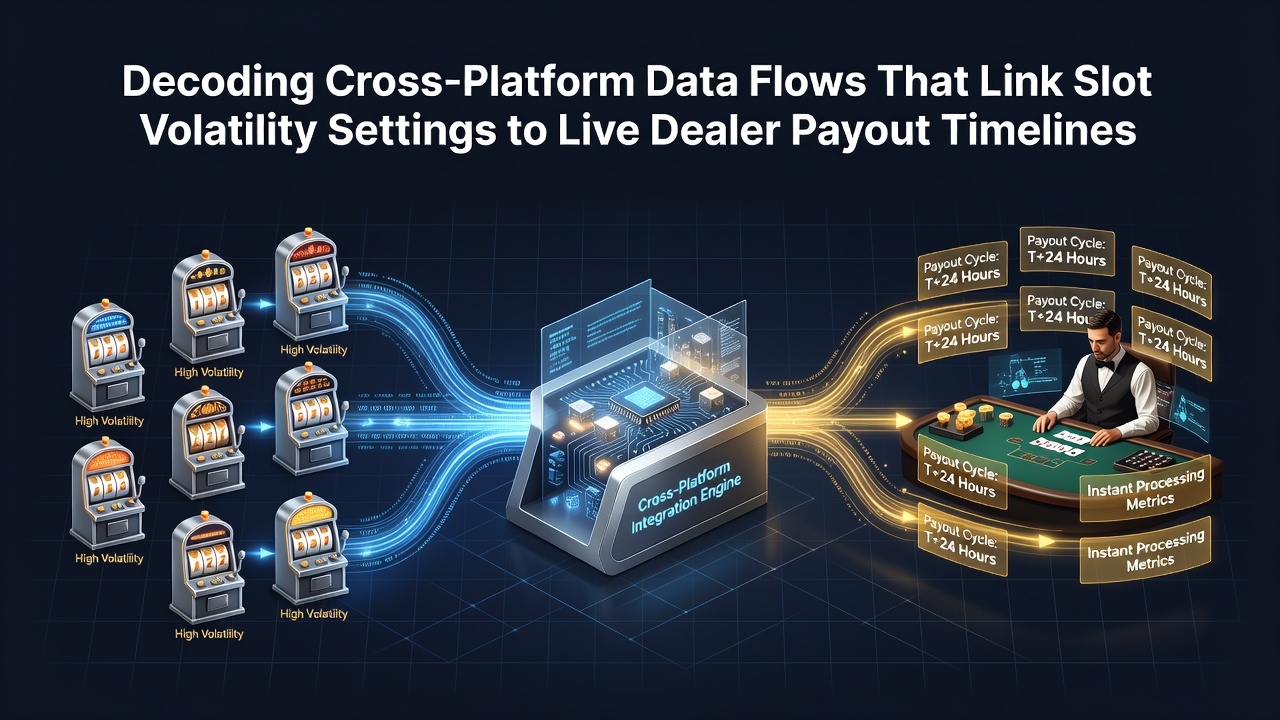
Cross-platform data flows in online gambling environments connect slot volatility configurations directly to live dealer payout processing schedules through integrated backend systems that track player behavior across game types. These systems pull real-time metrics from slot engines where volatility settings determine the frequency and size of wins then route that information to live dealer modules responsible for table game settlements. Data indicates that platforms synchronize these elements to maintain consistent session pacing while meeting regulatory requirements for transaction reporting.
Core Components of Volatility and Payout Linkages
Slot volatility settings classify games into low, medium, or high categories based on mathematical models that control return-to-player distributions over thousands of spins. High-volatility titles produce infrequent but larger payouts whereas low-volatility options deliver smaller wins at higher rates. Live dealer platforms meanwhile manage payout timelines through dealer-verified outcomes that require sequential processing steps including card verification, bet resolution, and fund allocation. When these two environments share data streams, operators can adjust live dealer queue priorities according to aggregated volatility signals from concurrent slot sessions.
Research from the New Jersey Division of Gaming Enforcement shows that integrated platforms recorded measurable shifts in average payout processing intervals during periods of high slot activity in 2025. Observers note that data pipelines often include timestamp synchronization protocols that align slot event logs with live dealer transaction records to prevent discrepancies during multi-game play. Those who've analyzed platform architectures report that application programming interfaces handle the transfer of volatility-weighted risk scores which influence how quickly dealer-side systems release funds after hand completions.
Data Pipeline Structures in Multi-Game Environments
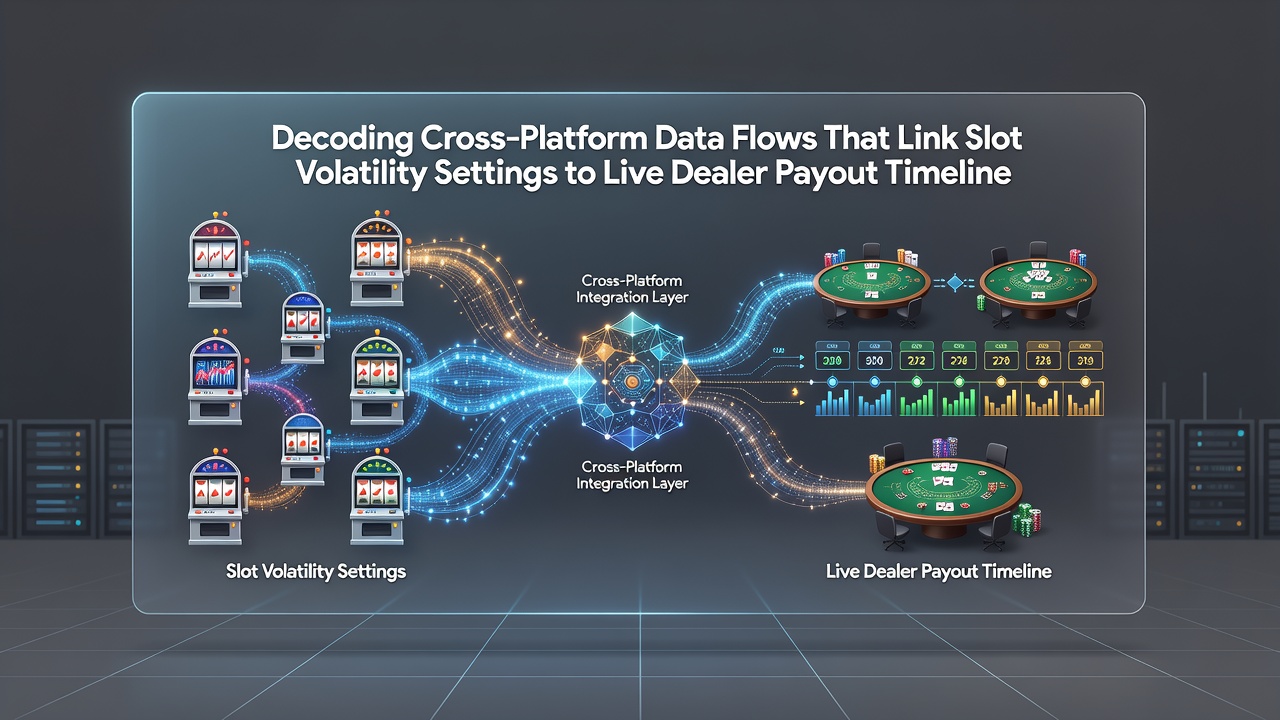
Modern gambling platforms employ centralized data lakes that aggregate player activity from both slot servers and live dealer studios. These repositories capture volatility parameters alongside payout request timestamps then apply algorithms that forecast settlement loads. In August 2026, industry reports highlighted expansions in cloud-based routing layers that reduced latency between volatility detection and dealer payout initiation by routing high-volatility signals through priority queues. Such adjustments allow systems to anticipate surges in withdrawal requests following large slot wins while maintaining stable timelines for table game resolutions.
Figures from the Ontario Lottery and Gaming Corporation reveal that cross-platform monitoring tools tracked over 12 million daily data exchanges between slot and live dealer modules during peak hours in early 2026. These exchanges rely on standardized data schemas that tag each transaction with volatility metadata, enabling automated adjustments to payout buffers. Experts have observed that when volatility settings trigger extended dry spells in slot play, the same player profiles often shift to live dealer tables, prompting platforms to pre-allocate settlement resources accordingly.
Regulatory and Technical Considerations Across Regions
Gaming regulators in multiple jurisdictions require detailed logging of how volatility data influences payout scheduling to ensure fairness and transparency. Australian authorities through the Northern Territory Racing Commission have documented cases where platforms submitted audit trails showing direct correlations between slot volatility adjustments and live dealer fund release intervals. These records help verify that no undue delays occur when players move between game categories.
Technical implementations often feature event-driven architectures where slot servers emit volatility change notifications that trigger updates in live dealer management software. Developers implement message queues to handle these notifications without interrupting ongoing table sessions. Data shows that platforms using such architectures maintained payout completion rates above 98 percent even during simultaneous high-volatility slot tournaments and live blackjack events.
Case Examples from Operational Platforms
One documented integration at a multi-jurisdictional operator demonstrated that linking volatility profiles to dealer payout engines shortened average live dealer settlement times by 14 seconds for players transitioning from high-volatility slots. System logs indicated that predictive models flagged potential payout clusters and pre-staged verification processes. Another example from European operators revealed similar patterns where data flows adjusted table staffing levels based on incoming volatility signals from connected slot networks.
Studies conducted by university research teams on gambling technology have examined these linkages through anonymized transaction datasets. Their findings confirm that platforms utilizing unified data flows achieve more predictable payout timelines across game verticals compared to siloed systems. Those who've reviewed the datasets note consistent use of timestamp reconciliation protocols that prevent mismatches during cross-game sessions.
Conclusion
Cross-platform data flows continue to evolve as operators refine connections between slot volatility parameters and live dealer payout mechanisms. Regulatory bodies in North America and Australia maintain oversight through mandatory reporting of these integrated processes while technical teams focus on latency reduction and predictive resource allocation. The documented patterns from 2025 and 2026 illustrate how volatility signals inform settlement scheduling without altering core game mathematics or dealer procedures.