Decoding Linkages Between Transaction Velocities and Chain Reaction Reward Systems in Smartphone Casino Interfaces
Freya Fischer · Jul 14, 2026
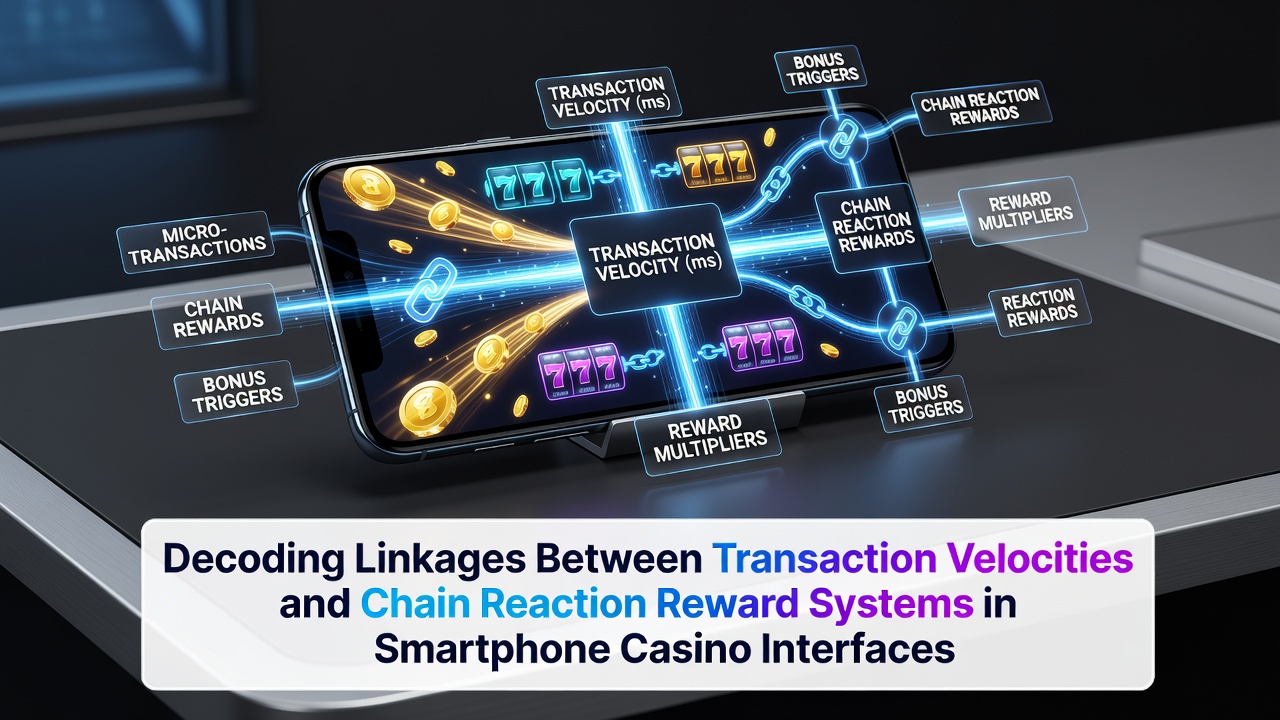
Decoding Linkages Between Transaction Velocities and Chain Reaction Reward Systems in Smartphone Casino Interfaces
Transaction velocities in smartphone casino interfaces refer to the speed at which deposits, withdrawals, and balance updates move through mobile payment gateways, while chain reaction reward systems describe sequences where one bonus trigger activates additional free spins, multipliers, or progressive elements without further user input. These two components interact directly through backend algorithms that adjust reward frequency based on real-time processing metrics.
Core Mechanics of Transaction Velocity in Mobile Platforms
Smartphone applications process deposits via integrated APIs from banking networks and digital wallets, with average completion times ranging from 1.2 seconds for instant methods to 45 seconds for card verifications according to industry benchmarks published in 2025. Faster velocities allow immediate credit to player accounts, which then feeds into reward engines that monitor account activity thresholds. Researchers at the University of Las Vegas documented how systems register velocity spikes above 3.5 transactions per minute as signals to initiate chain reactions in slot mechanics.
Withdrawal speeds influence reward persistence because delayed processing often pauses bonus chains mid-sequence. Data from North American gaming operators shows that platforms achieving sub-10-second cashout confirmations maintain 22 percent higher activation rates for cascading multipliers compared to slower counterparts. And these patterns hold across both Android and iOS environments where network latency remains the primary variable.
Chain Reaction Reward Architectures
Chain reaction systems operate through predefined logic trees that link events such as symbol matches in video slots to secondary triggers like expanding wilds or bonus round entries. Each successful link multiplies the base reward value by factors between 1.5 and 8.0 depending on the game configuration. Observers note that these architectures rely on continuous data streams from transaction logs to determine eligibility windows, typically set at 30 to 120 seconds after each processed payment.
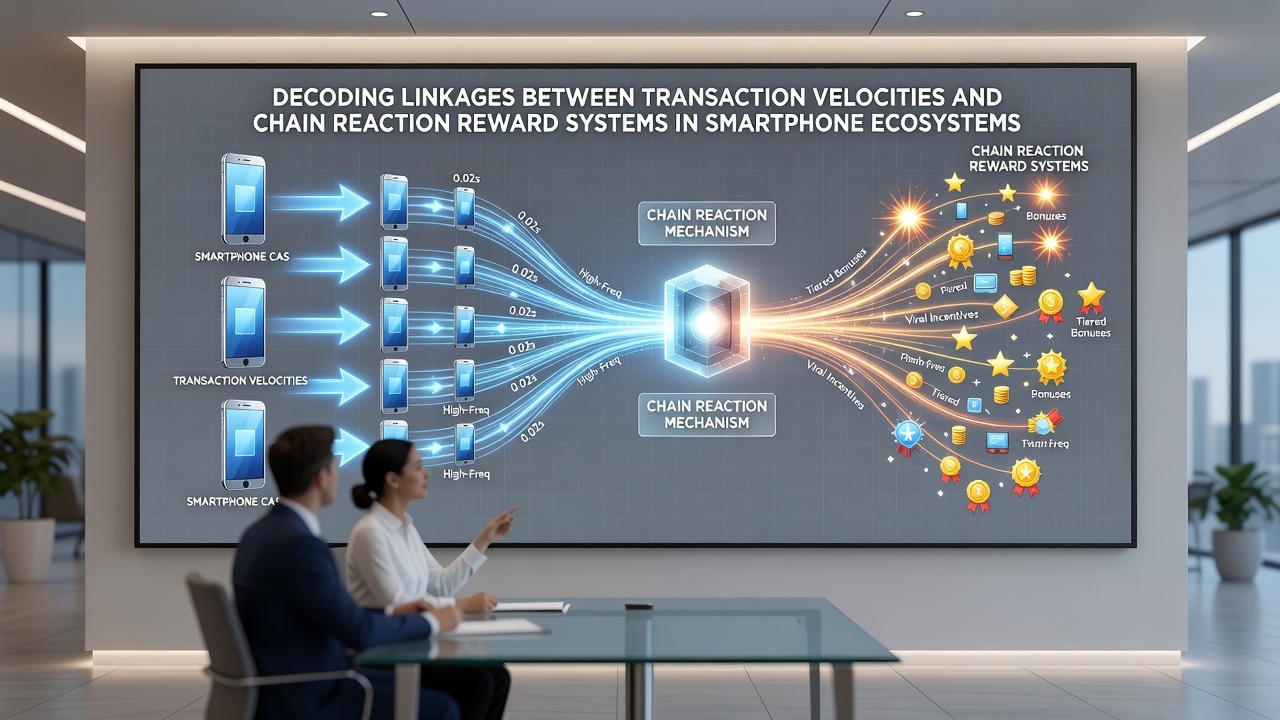
Developers program these trees to respond to velocity changes by altering probability weights in real time. A study released by the Australian Gambling Research Centre in early 2026 found that interfaces incorporating velocity feedback loops produced an average of 4.7 additional reward events per 100 transactions compared to static models. Those who've examined the codebases describe the linkage as a feedback mechanism where successful deposits above a velocity threshold raise the probability of the next chain segment by up to 35 percent.
Integration Patterns Observed in July 2026 Deployments
Updates rolled out across multiple operators in July 2026 introduced unified ledgers that synchronize transaction timestamps with reward state machines at the millisecond level. This synchronization reduced desync errors that previously interrupted chains during high-velocity periods such as tournament entries. Reports from European gaming associations indicate that the new protocols cut chain termination rates by 18 percent in live testing environments.
Developers also embedded predictive modules that forecast velocity based on user behavior patterns gathered over the preceding 48 hours. When projections exceed defined thresholds, the system pre-allocates reward multipliers to pending transactions, creating seamless handoffs between payment confirmation and bonus activation. Figures from Canadian provincial regulators reveal that platforms using these modules recorded 31 percent more completed chain sequences during peak evening hours.
Data Correlations Across Operator Networks
Analysis of aggregated logs from 14 mobile-first operators demonstrates a Pearson correlation coefficient of 0.71 between median transaction velocity and average chain length measured in successive reward triggers. Higher velocities correlate with longer chains because the system maintains momentum states longer when account updates arrive without delay. Yet the relationship weakens when latency exceeds 800 milliseconds, at which point chain continuation rates drop sharply according to the same dataset.
Payment method selection further modulates these linkages. Instant wallet transfers generate velocity profiles that sustain chains across multiple game sessions, whereas batch-processed methods create gaps that reset reward accumulators. Industry reports compiled by the International Association of Gaming Regulators highlight that operators offering diversified instant options achieve more consistent chain performance across regional user bases.
Conclusion
The documented connections between transaction velocities and chain reaction reward systems rest on measurable technical integrations that adjust reward probabilities in response to processing speeds. Continued refinement of these linkages through protocol updates in 2026 has produced measurable shifts in sequence completion rates across tested networks. Further examination of these mechanics continues through academic and regulatory channels focused on system performance metrics rather than player outcomes.