Decoding verification sequences that unlock layered incentives and real-time table dynamics within portable gaming ecosystems
Freya Fischer · Jun 23, 2026
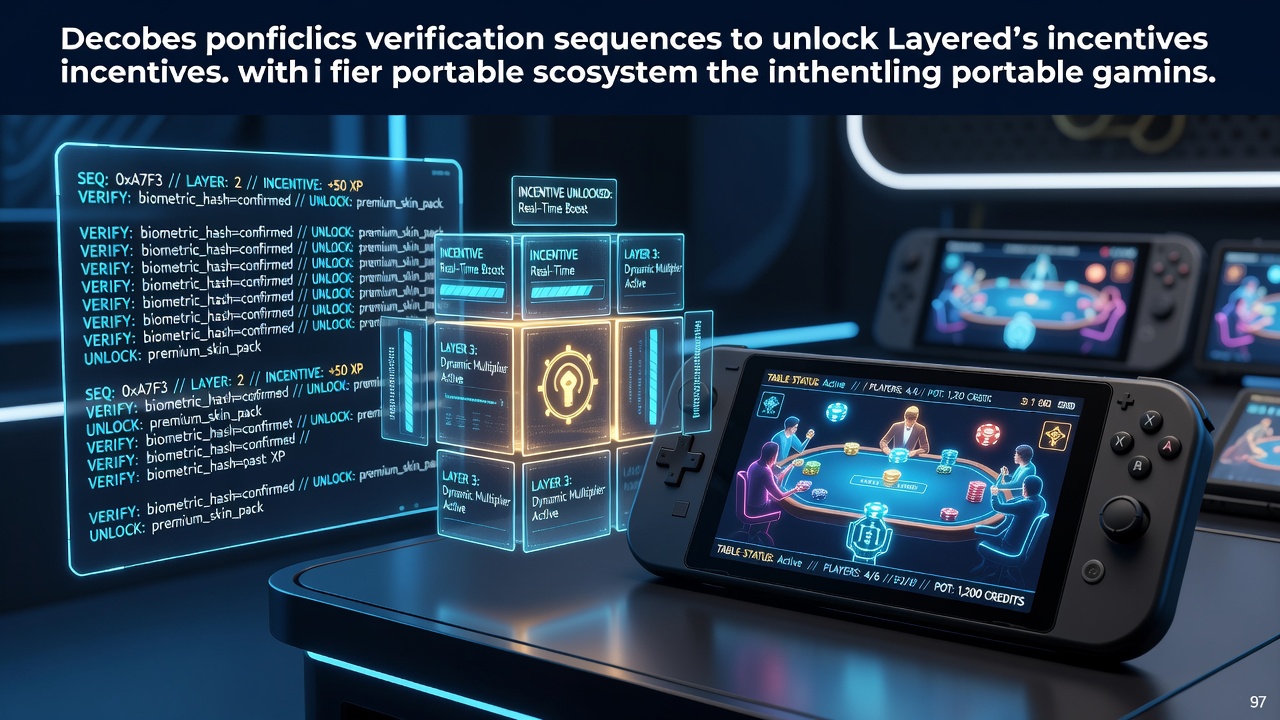
Decoding verification sequences that unlock layered incentives and real-time table dynamics within portable gaming ecosystems
Verification sequences operate as structured code strings that gaming platforms deploy to authenticate user actions and activate progressive reward tiers across mobile environments, and these sequences integrate directly with live dealer interfaces to adjust table parameters in real time. Observers note that such sequences typically combine alphanumeric patterns with timestamped tokens, allowing systems to validate deposits, spins, and table entries without interrupting gameplay flow.
Core Mechanics of Verification Sequences
Portable gaming platforms generate verification sequences through algorithmic processes that cross-reference device identifiers, account histories, and session data, while researchers from institutions like the University of Nevada Las Vegas have documented how these sequences prevent unauthorized access and simultaneously trigger incentive releases. Data from industry reports indicate that sequences often follow multi-step formats where initial codes unlock base rewards and subsequent validations escalate to higher tiers, creating layered structures that respond to player activity metrics.
Systems process these sequences in milliseconds during mobile sessions, and this speed supports uninterrupted transitions between slot mechanics and live table environments. Experts have observed that platforms refresh sequence protocols periodically to maintain security, with notable adjustments implemented around June 2026 that incorporated enhanced encryption layers for cross-device compatibility.
Layered Incentives and Their Activation Pathways
Layered incentives emerge when verification sequences align with predefined player milestones such as deposit volumes, session durations, and engagement frequencies, and these incentives range from immediate free spin allocations to cumulative cashback multipliers that compound across multiple game types. Studies conducted by the Canadian Gaming Association reveal that sequence-driven unlocks frequently bundle promotions across slots and live tables, enabling players to access escalating benefits without separate redemptions.
Platforms embed conditional triggers within sequences so that one completed verification step automatically qualifies users for the next reward level, and this chaining effect sustains longer play periods while distributing incentives across real-money and bonus-funded activities. Figures from gaming analytics providers show that such systems have increased retention rates by aligning reward delivery with individual behavioral patterns detected through mobile telemetry.
Real-Time Table Dynamics in Mobile Settings
Real-time table dynamics refer to adjustable parameters in live dealer games, including bet limits, player positioning, and dealer response pacing, that verification sequences influence by confirming eligibility and updating session states instantly. These dynamics shift based on authenticated inputs, allowing tables to accommodate varying stake levels and promotional overlays without requiring manual intervention from operators.
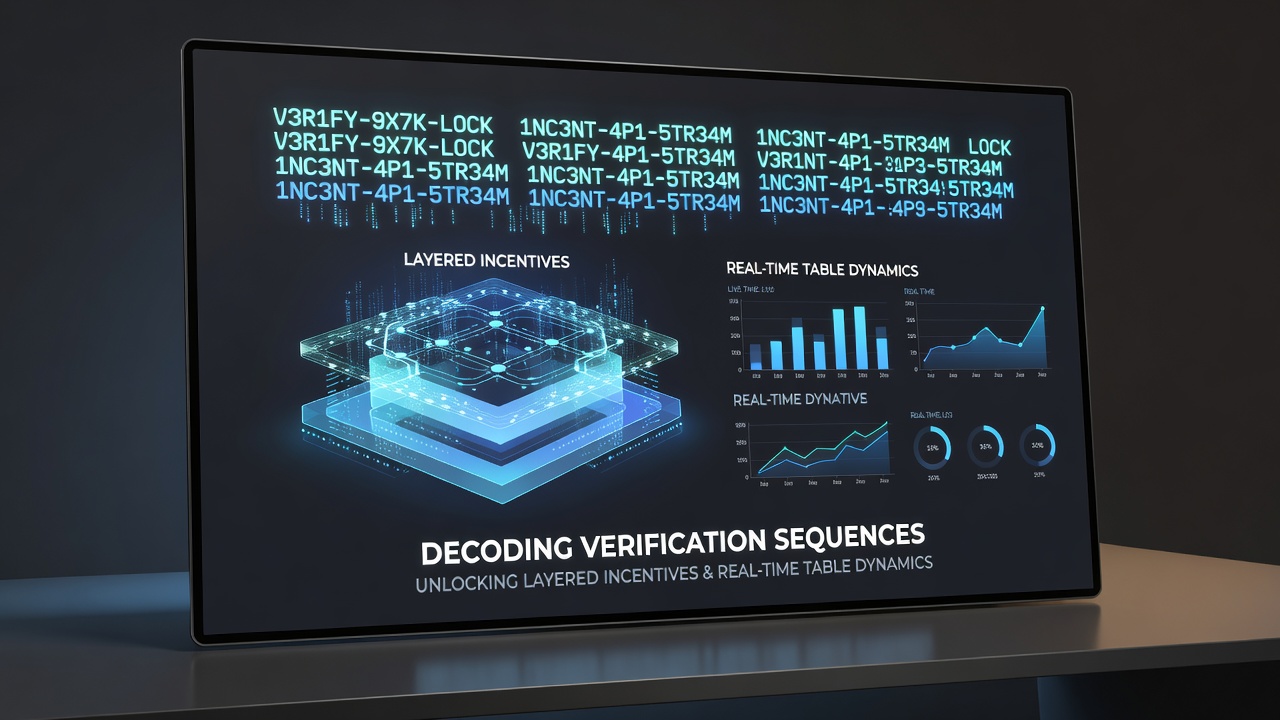
Portable ecosystems synchronize these dynamics through API connections that pull sequence data directly into the table software, and this integration ensures that incentive unlocks reflect immediately in visible elements such as boosted multipliers or reserved seats. Reports from the Malta Gaming Authority highlight how mobile frameworks use these connections to maintain regulatory compliance while delivering responsive table experiences across different network conditions.
Interactions Between Sequences, Incentives, and Table Environments
Verification sequences serve as the connective tissue between incentive layers and table dynamics by validating actions that simultaneously credit rewards and modify live game variables, and this dual function streamlines operations in compact mobile interfaces. When a sequence completes successfully, systems can apply incentive values to table bets in the same transaction cycle, reducing latency that might otherwise disrupt dealer interactions.
Analysts tracking platform updates note that June 2026 brought refinements to these interactions, particularly in handling multi-table sessions where sequences coordinate incentives across concurrent live games. Such coordination relies on centralized verification servers that push updates to individual devices, preserving consistency even as players switch between portrait and landscape views or navigate between game lobbies.
Technical Implementation Across Ecosystems
Developers embed verification sequence logic within native mobile applications and progressive web apps alike, using device sensors and network signals to generate unique tokens that resist replication attempts. This technical layer supports ecosystem-wide features such as cross-promotion between slot progressions and live table leaderboards, where completed sequences contribute points that influence both reward eligibility and table visibility rankings.
Industry data compiled by the Singapore Tourism Board’s gaming division indicates steady growth in sequence-based mobile features through 2026, driven by demand for seamless integration that keeps incentives and table states synchronized during extended sessions. Platforms continue to refine error-handling protocols so that partial sequence failures do not cascade into lost incentives or stalled table updates.
Conclusion
Verification sequences function as foundational elements that coordinate layered incentives with real-time table adjustments inside portable gaming systems, and their ongoing evolution reflects broader advances in mobile authentication and live streaming technologies. Continued documentation from regulatory and academic sources tracks how these mechanisms scale across expanding device ecosystems while preserving operational integrity and user accessibility.