Device Authentication Sequences and Their Role in Sequencing Reward Chains Across Portable Gaming Applications
Jonas Schmid · May 30, 2026
Device Authentication Sequences and Their Role in Sequencing Reward Chains Across Portable Gaming Applications
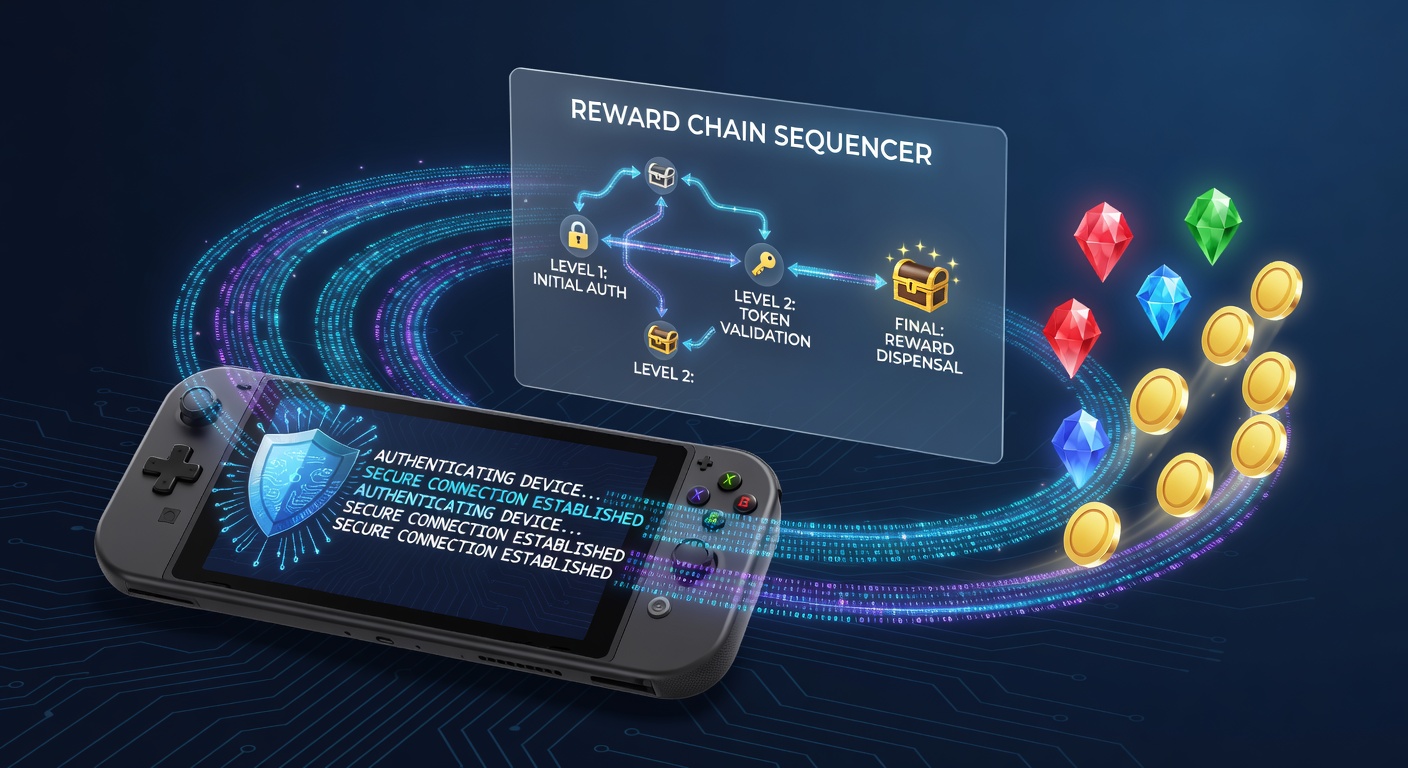
Device authentication sequences form the backbone of secure access in portable gaming applications where players unlock progressive rewards through verified interactions and these sequences establish ordered pathways that determine when and how reward chains activate across mobile platforms. Researchers at institutions studying mobile security have documented how initial device registration pairs with subsequent verification steps to create layered access points that prevent unauthorized entry while maintaining smooth progression through in-app achievements and item unlocks.
Core Components of Authentication Sequences in Mobile Environments
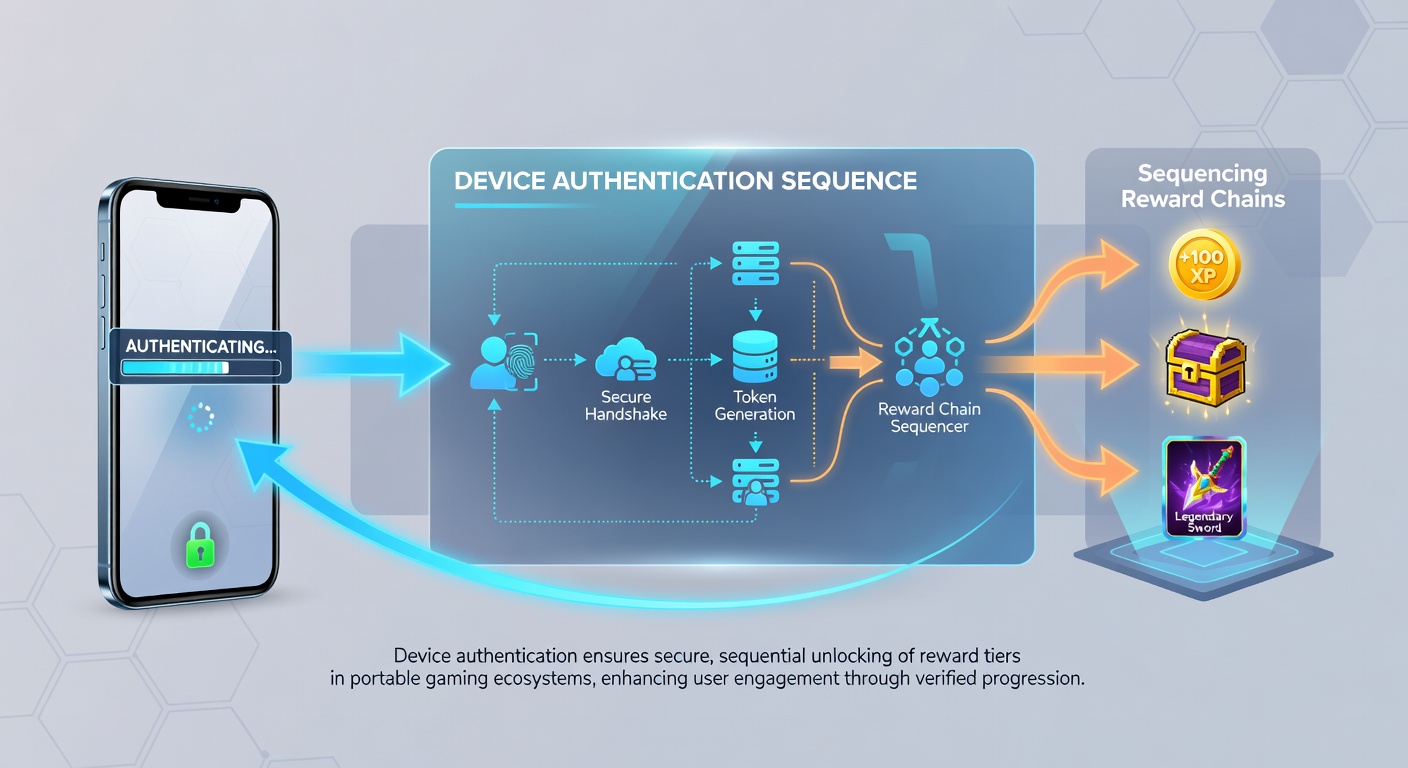
Portable gaming applications rely on multi-stage authentication that begins with device fingerprinting which captures unique hardware identifiers followed by token generation that links the device to user accounts and these steps connect directly to reward systems because each verified stage triggers eligibility checks for chained rewards such as daily login bonuses or level advancement credits. Data from industry reports shows that applications incorporating biometric confirmation after initial PIN entry experience fewer interruptions in reward sequencing since the process confirms continuity without requiring repeated full logins.
Experts observe that sequence timing plays a critical role because delays between authentication steps can break reward chains if the system interprets the gap as a session reset and developers address this through persistent session tokens that carry authentication state across brief disconnections common in mobile networks. According to findings presented in mobile technology conferences applications that synchronize authentication with cloud-based reward ledgers maintain chain integrity even when users switch devices provided the new device completes a secondary verification sequence within defined parameters.
Integration with Reward Chain Mechanics
Reward chains in portable games operate as linked sequences where completion of one task unlocks the next and device authentication sequences serve as gatekeepers that validate each link before progression occurs. Studies from research groups examining app ecosystems indicate that authentication events log alongside reward triggers creating audit trails that help platforms detect anomalies such as simultaneous logins from mismatched devices which could otherwise fracture the intended reward flow.
Observers note that portable applications released or updated around May 2026 began incorporating adaptive authentication that adjusts sequence length based on user behavior patterns and this approach allows frequent players to bypass redundant checks once baseline trust establishes while new or irregular devices encounter fuller verification to protect ongoing reward accumulations. The Entertainment Software Association has highlighted how such adaptive models support sustained engagement by reducing friction points that previously interrupted chain completion.
Technical Frameworks Supporting Sequence Reliability
Technical standards developed by organizations including the National Institute of Standards and Technology outline protocols for secure token exchange that portable gaming platforms adopt to sequence authentication events reliably and these protocols ensure that each reward eligibility check references the most recent authenticated state rather than relying on potentially stale device data. Applications built on these frameworks demonstrate higher rates of uninterrupted reward chains according to performance metrics shared in developer forums and technical papers.
Network variability introduces challenges yet developers implement fallback mechanisms such as offline token validation that permits limited reward progression until connectivity restores and full sequence confirmation occurs and this method preserves chain momentum without compromising security requirements. Research published through academic channels in regions like the European Union and Australia demonstrates that combining local device checks with periodic server-side validation creates robust environments where reward sequencing remains consistent across diverse network conditions.
Developments Observed in Mid-2026
Portable gaming platforms rolled out enhanced authentication modules during May 2026 that integrated hardware-backed security modules available on newer mobile chipsets and these modules generate cryptographic proofs that tie directly into reward ledger entries allowing chains to advance only after device-level validation succeeds. Industry analyses reveal that platforms adopting these modules recorded measurable improvements in chain completion rates particularly for games featuring extended progression systems that span multiple sessions.
Cross-platform compatibility received attention as well because users frequently move between tablets and phones and updated sequences now include device family recognition that treats related hardware as a single trusted entity once initial authentication completes on any member of the group. Such adjustments prevent reward chain breaks during device switches which had been a documented pain point in earlier implementations.
Security and Continuity Considerations
Authentication sequences also function as safeguards against reward manipulation because each verified step generates immutable records that platforms reference when auditing chain progress and discrepancies trigger reviews that protect the integrity of accumulated rewards. Gaming associations have documented cases where strengthened sequences reduced instances of unauthorized reward transfers across accounts by enforcing device-specific binding throughout the chain.
Users encounter these processes through streamlined interfaces that mask underlying complexity yet the sequences operate continuously in the background validating access before each reward milestone processes and this invisible orchestration ensures that portable gaming applications deliver consistent experiences regardless of session length or device state changes.
Conclusion
Device authentication sequences continue to evolve alongside portable gaming applications by providing structured verification that directly governs reward chain sequencing and their implementation determines how reliably players progress through linked achievements and item systems. Ongoing refinements documented through 2026 reflect broader industry efforts to balance security demands with uninterrupted reward flows across mobile environments.