Examining Synergies Between Verification Protocols, Transaction Methods, and Progressive Prize Mechanics in Mobile-First Gaming Applications
Dana Patterson · Jul 11, 2026
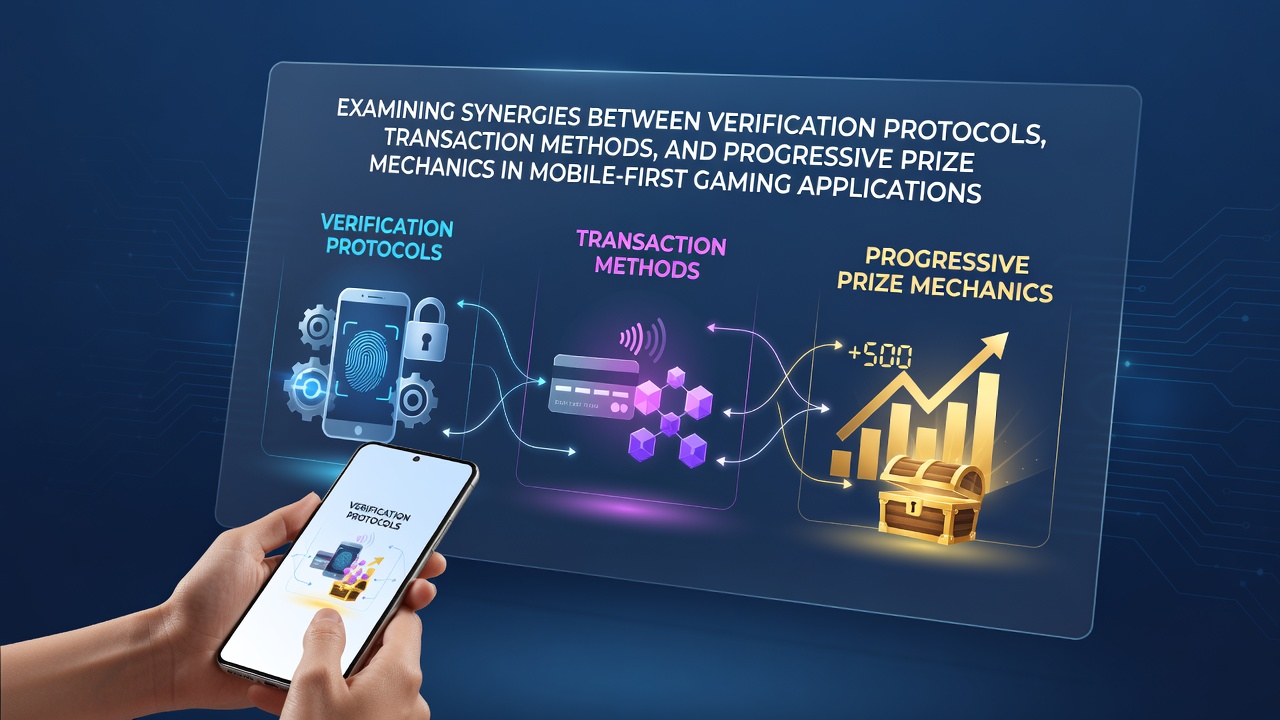
Examining Synergies Between Verification Protocols, Transaction Methods, and Progressive Prize Mechanics in Mobile-First Gaming Applications
Verification protocols in mobile-first gaming applications establish secure user identities through document uploads, biometric checks, and real-time database cross-references, while transaction methods handle deposits and withdrawals via digital wallets, card processors, and bank transfers. Progressive prize mechanics accumulate contributions from player wagers into shared pools that increase until triggered by specific outcomes. These elements interact when verification clears accounts for immediate funding, which then routes portions of stakes into jackpot pools visible on handheld screens.
Verification Protocols and Their Role in Mobile Access
Verification protocols operate through layered processes that confirm age, location, and identity before gameplay begins, and data from regulatory bodies shows that streamlined mobile verification reduces account activation times from days to minutes. Observers note that protocols integrate with device sensors for facial recognition and fingerprint matching, which allows applications to maintain compliance while supporting seamless logins across sessions. Researchers discovered that automated systems flag discrepancies instantly, preventing unauthorized access yet permitting verified users to proceed without repeated checks during active play periods.
Transaction Methods Driving Real-Time Funding
Transaction methods in these applications include instant payment gateways that support multiple currencies and cryptocurrencies, and figures reveal that mobile-optimized processors complete deposits in under 10 seconds on average. Experts have observed that integration with verification results enables pre-approved users to bypass secondary reviews during funding, which accelerates the flow of capital into game interfaces. Applications often embed these methods directly into gameplay screens so players select a payment option, complete authentication via stored biometrics, and see balances update without leaving the session.
Progressive Prize Mechanics on Handheld Platforms
Progressive prize mechanics function by allocating a percentage of each wager to growing pools across networked games, and studies found that mobile displays update these totals in real time through server-side calculations. Those who've examined the systems know that contributions scale with bet size, creating larger pools when verified players engage higher stakes after quick transactions. Data indicates that mobile interfaces highlight these mechanics with animated meters and notifications that trigger when thresholds approach, drawing attention to accumulating prizes without interrupting core gameplay loops.
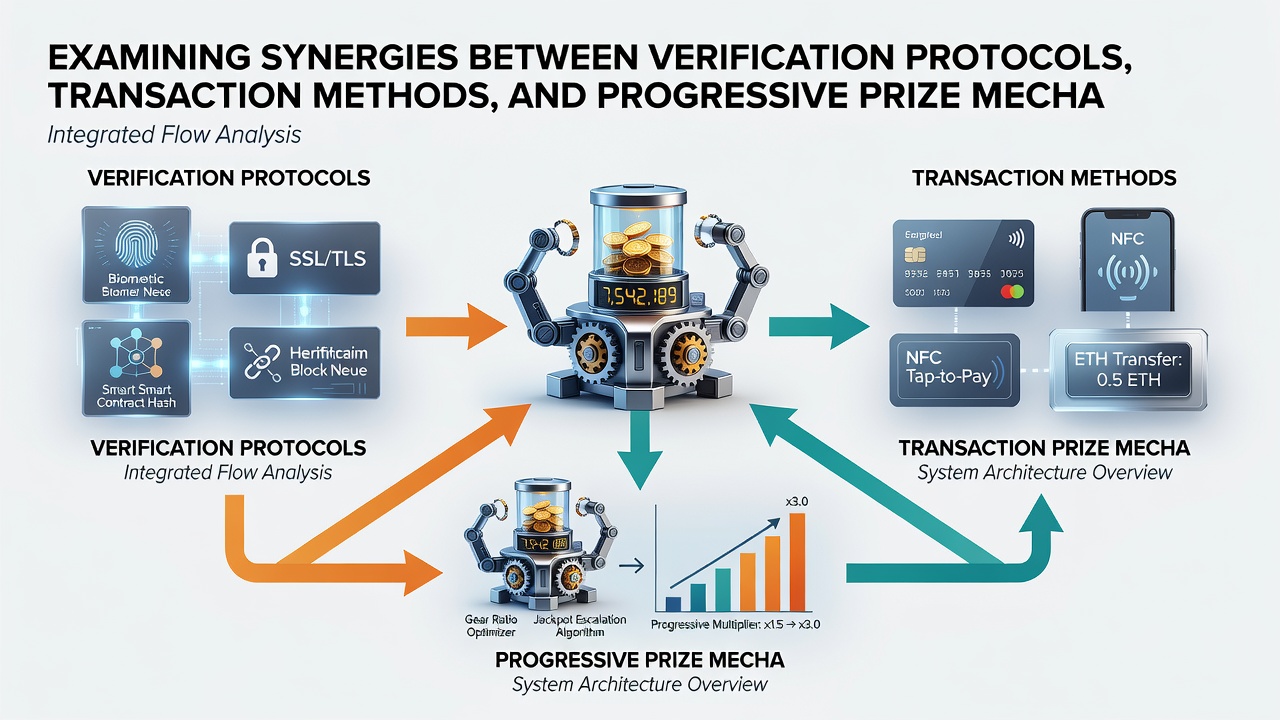
But here's the thing: the true connections emerge when verification protocols feed directly into transaction authorization, which then channels verified wagers into progressive pools. Applications that synchronize these steps allow a single mobile session to handle identity confirmation, fund transfer, and jackpot contribution in sequence, reducing friction between actions. What's interesting is how July 2026 updates to cross-border data standards have encouraged developers to refine these connections, enabling faster pool growth across regional servers while maintaining audit trails for each verified transaction.
Integrated Workflows Across Components
Integrated workflows appear when verification results stored in secure tokens permit instant transaction approvals, which automatically allocate stake portions to progressive systems without manual intervention. Research indicates that mobile applications employing this approach report higher completion rates for full player journeys from signup to jackpot participation. Industry reports from the European Gaming and Betting Association highlight that synchronized protocols decrease error rates in prize calculations because each wager traces back to a verified source through encrypted transaction logs.
Take one case where developers linked biometric verification to crypto transaction rails: verified accounts funded progressive slots within seconds, and the resulting pool contributions reflected immediately on user dashboards. This setup supports multiple prize tiers, from local mobile-only progressives to global networked ones, with transaction data determining eligibility based on verified regional compliance. Observers note that such linkages also aid in dispute resolution since every step from verification through funding logs in immutable records accessible for review.
Data Patterns and System Performance
Data patterns show that applications optimizing these synergies experience reduced drop-off between verification completion and first wager, which in turn feeds larger progressive pools over time. According to findings from the Australian Gambling Research Centre, mobile-first platforms with tight integration between identity checks and payment flows see consistent increases in average session contributions to jackpots. Systems track these metrics through backend analytics that correlate verification speed with transaction volume and subsequent prize growth, providing operators with actionable insights into user retention across verified cohorts.
Yet the mechanics extend further when transaction methods incorporate progressive triggers, such as bonus deposits that add extra percentages directly to prize pools. Verification ensures these additions apply only to eligible accounts, maintaining fairness while expanding total prize values. Researchers discovered that mobile notifications about nearing jackpots often coincide with recent verified transactions, creating feedback loops that encourage continued play within the same session.
Conclusion
The synergies between verification protocols, transaction methods, and progressive prize mechanics in mobile-first gaming applications rest on sequential data flows that confirm identity, enable funding, and allocate stakes to shared pools. Evidence suggests that platforms refining these connections achieve smoother operations and more dynamic prize environments as of mid-2026. Further examination of these interactions continues to inform development practices across the sector.