Mapping Money Flows: How Payment Options Dictate Spin Cadences and Live Dealer Timings in Mobile Casino Environments
Xander Sullivan · Jul 28, 2026

Mapping Money Flows: How Payment Options Dictate Spin Cadences and Live Dealer Timings in Mobile Casino Environments
Payment selection in mobile-first casino platforms determines how quickly funds reach player accounts, which in turn sets the pace for reel rotations and live table entries. Data from industry reports show that e-wallet deposits often complete in under thirty seconds while bank transfers can stretch to several hours or even full business days. Observers note that these differences create distinct patterns in how players move from deposit confirmation into sequences of spins or dealer interactions on handheld devices.
Tracing Deposit Processing Paths
Funding routes vary by method and processor, with instant options such as digital wallets and certain cryptocurrencies bypassing traditional banking delays. Studies on mobile gaming infrastructure indicate that automated verification systems now handle most small-value transactions without manual review, allowing immediate access to game servers. Yet slower channels like wire transfers require intermediary confirmations that pause activity until clearance arrives, shifting the entire timeline of a session.
Those who track player behavior across platforms find that deposit speed directly correlates with session start times. Faster arrivals let users enter bonus-triggered spin chains without interruption while delayed funds force pauses that can break momentum in progressive sequences. Research from university gaming labs demonstrates that these pauses alter the frequency of consecutive plays, particularly when time-sensitive promotions tie eligibility to deposit windows.
Effects on Slot Spin Sequences
Spin sequences depend on continuous credit availability, adn funding choice shapes whether players can chain free-spin rounds or bonus features without exiting the game interface. Figures from mobile analytics platforms reveal that instant deposits increase the likelihood of entering multi-stage bonus modes because players remain logged in and funded. Slower methods, by contrast, often interrupt these chains, sending users back to lobby screens while waiting for approval.
One documented pattern shows that cryptocurrency deposits, which settle on blockchain networks within minutes, support extended reel sessions during peak evening hours. Conventional card payments that trigger additional security checks can insert gaps of five to fifteen minutes, enough to reset certain algorithmic bonus triggers that depend on rapid successive spins. Data indicates these interruptions change the distribution of jackpot eligibility across user cohorts who rely on different funding rails.
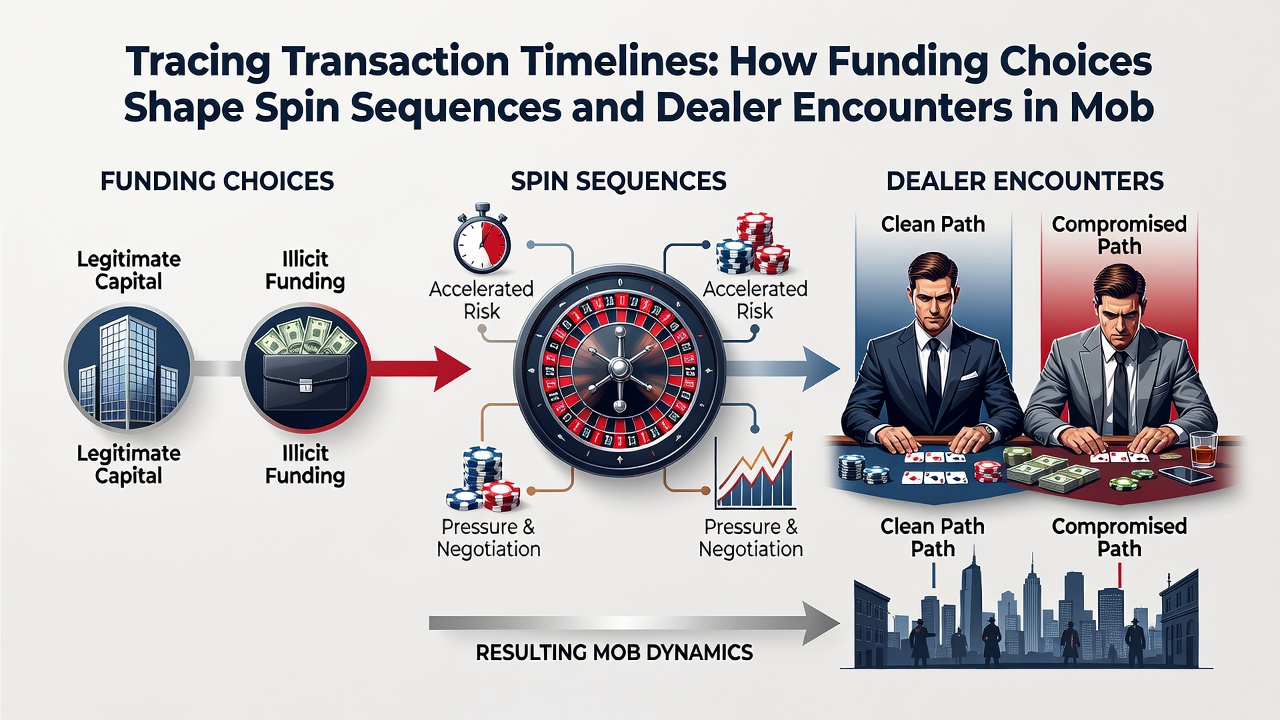
Influence on Live Dealer Encounters
Live dealer tables require stable connections and sufficient balances to join tables without delay. Payment timelines affect whether players can claim seats during active rounds or must wait for the next shoe or wheel cycle. Reports compiled by regional gaming associations highlight that instant funding options reduce average wait times for table entry by up to forty percent compared with legacy bank methods.
Observers tracking mobile live streams note that dealer interactions follow predictable rhythms once funding clears. Quick deposits allow players to join mid-round or immediately after a shuffle, while slower arrivals push participants into later rotation slots. This timing shift matters in games where dealer pace and table minimums fluctuate, because late arrivals sometimes face higher stakes or altered side-bet availability.
Mobile Platform Specifics Emerging in July 2026
Platform updates scheduled for July 2026 introduce standardized API hooks that let operators surface real-time funding status inside game lobbies. These changes aim to synchronize deposit confirmations with both slot engines and live dealer streams, minimizing the lag that currently separates funding from play. Early tests conducted by technology vendors show that integrated status indicators cut average session startup times by nearly twenty seconds across major operating systems.
Geographic regulatory variations continue to shape these timelines. Australian research centers have documented how local payment rails interact with international casino servers, while North American university studies examine similar patterns in regulated state markets. The resulting data sets help operators calibrate server-side queues so that funding method does not inadvertently exclude players from time-limited events.
Conclusion
Transaction timelines created by funding choices determine entry points into spin sequences and dealer tables on mobile platforms. Faster methods compress the interval between deposit and first action, while slower channels extend gaps that fragment play patterns. Evidence from multiple regions shows these mechanics operate consistently across device types and operator systems. As July 2026 platform standards roll out, the visibility of funding status inside games may further tighten the connection between payment speed and session flow.