Mapping Transaction Routes That Align Funding Choices With Tiered Reward Access in Handheld Gaming Platforms
Dana Patterson · Jun 6, 2026
Mapping Transaction Routes That Align Funding Choices With Tiered Reward Access in Handheld Gaming Platforms
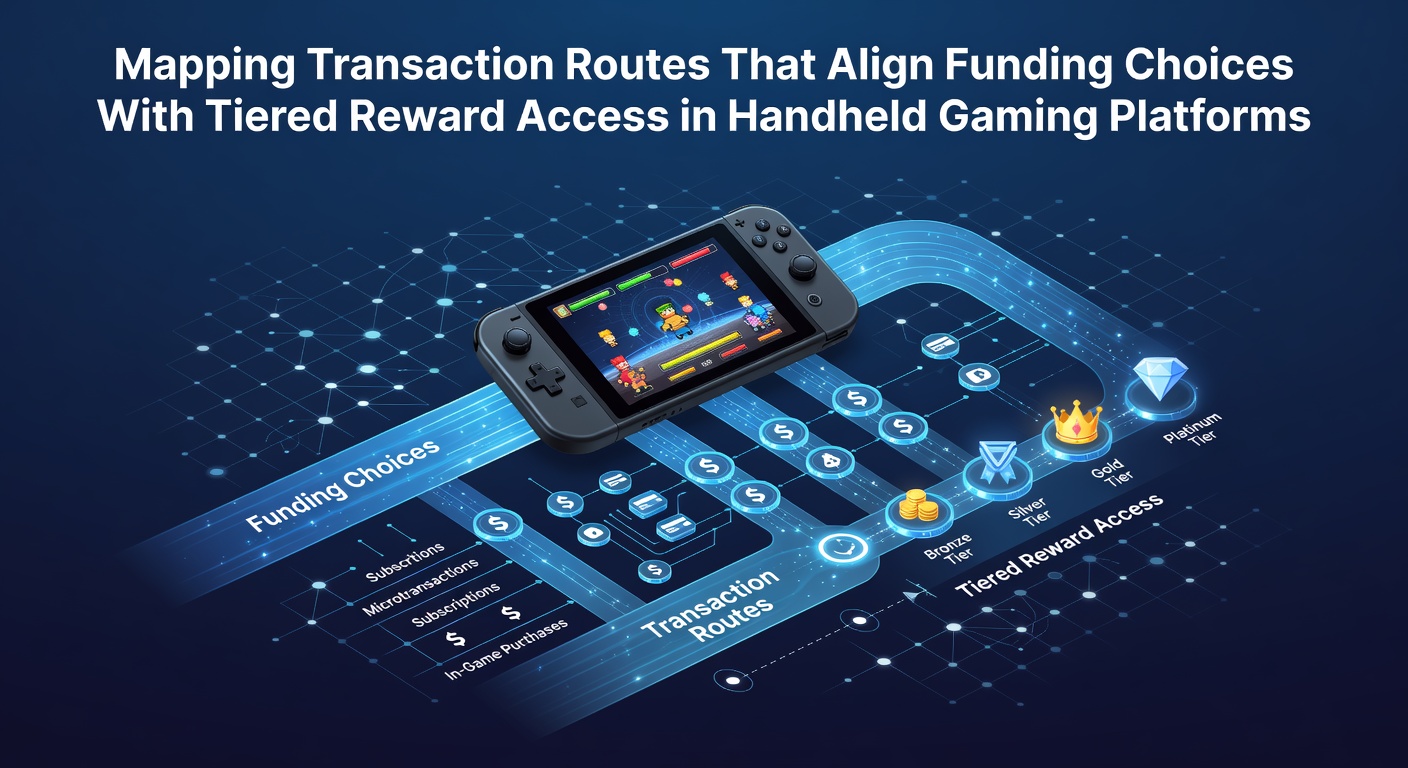
Handheld gaming platforms have developed intricate systems that connect payment pathways directly to layered reward structures, allowing users to progress through tiers based on funding patterns and transaction selections. These platforms process billions of microtransactions annually, with data from industry reports indicating that mobile game revenues reached over 90 billion dollars globally by early 2026. Observers note that mapping these routes involves tracing how specific funding methods such as digital wallets, credit cards, and carrier billing feed into algorithms that determine access to escalating reward levels, including exclusive in-game items, bonus currencies, and personalized events.
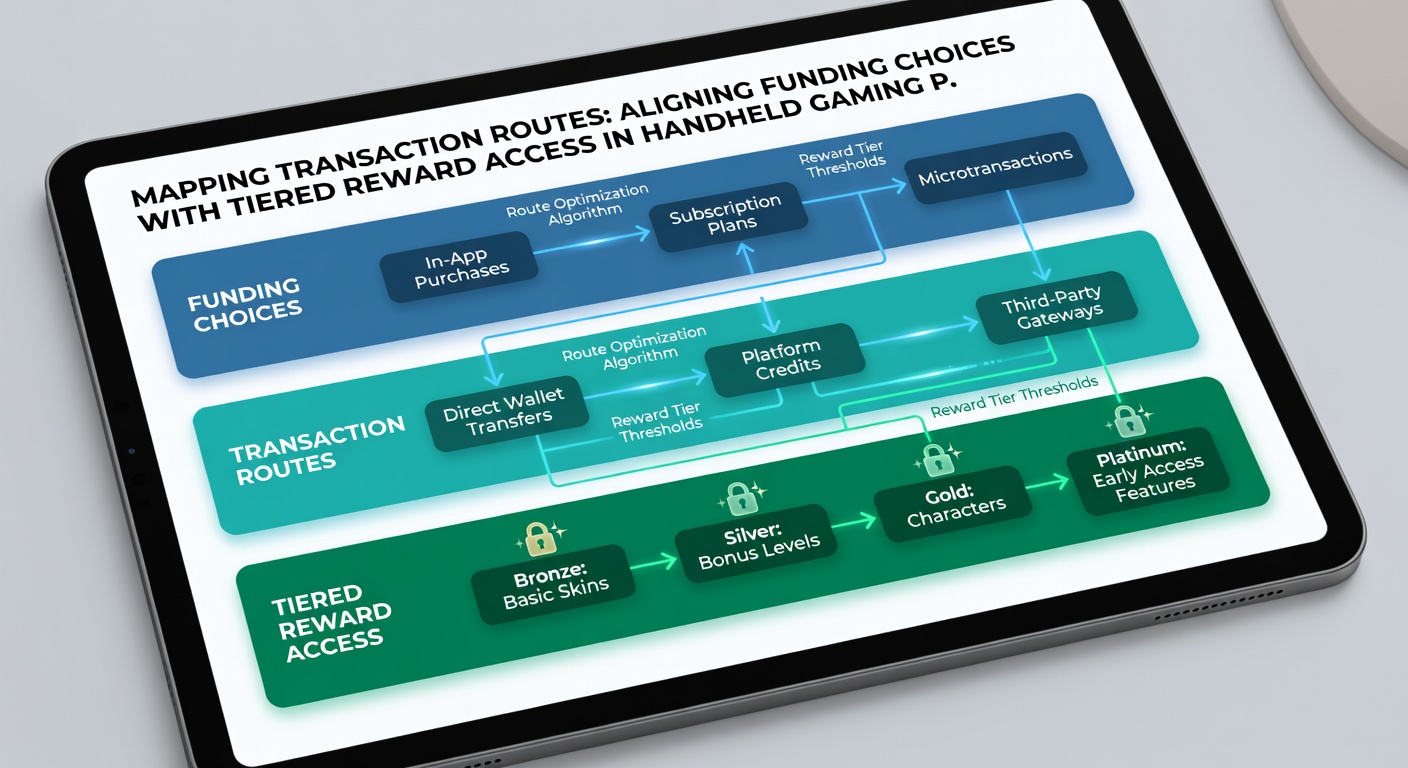
Transaction mapping begins at the point of funding initiation, where platforms categorize payment types according to speed, cost, and verification requirements. For instance, instant wallet transfers often route through dedicated servers that flag higher spending volumes, granting immediate entry to mid-tier rewards while slower methods like bank transfers may require additional confirmation steps before unlocking equivalent access. Researchers at various academic institutions have documented these processes in studies on digital economies, highlighting how platforms use real-time data analytics to align funding choices with reward eligibility thresholds that reset monthly or quarterly.
Core Components of Transaction Route Mapping
Platforms employ graph-based models to visualize and optimize transaction flows, connecting nodes that represent funding sources to edges that lead toward reward tiers. Each route incorporates variables like transaction frequency, total value, and geographic location, which influence whether a user advances from basic access to premium levels offering enhanced customization options and priority support features. Data indicates that in June 2026 several major platforms updated their mapping protocols to incorporate new encryption standards, reducing processing delays by up to 25 percent for verified high-volume funders.
Funding choices play a decisive role because platforms assign different weights to payment methods based on reliability and fee structures. Credit card routes typically bypass certain verification layers, accelerating progress toward tier three rewards that include boosted experience multipliers and early access to seasonal content, whereas prepaid options may route through stricter compliance checks that slow advancement until cumulative spending hits defined milestones. Those who have analyzed platform APIs explain that these alignments rely on backend databases that log every transaction detail, enabling predictive adjustments to reward access without manual intervention.
Handheld devices add another layer of complexity since mobile networks and operating systems impose their own constraints on transaction processing. Platforms integrate with device-specific APIs to ensure routes remain stable across varying connectivity conditions, which helps maintain consistent reward progression even during peak usage periods. Studies from research organizations show that users who select optimized funding paths, such as integrated app store billing, experience fewer interruptions in tier advancement compared to those relying on external processors.
Alignment Mechanisms and Data Integration
Alignment occurs through automated systems that match transaction metadata against tier criteria stored in centralized ledgers. When a funding choice meets volume or frequency benchmarks, the route automatically updates the user's profile to reflect new reward permissions, often within seconds of confirmation. Evidence from industry analyses reveals that platforms test multiple mapping variations during updates, selecting configurations that balance user retention with revenue stability across different regions.
Geographic factors further refine these alignments because regulatory environments shape acceptable funding routes and associated reward structures. In regions with strict consumer protection rules, platforms route transactions through additional audit layers before granting tier benefits, ensuring compliance while preserving access pathways. The Entertainment Software Association has compiled reports showing consistent patterns in how North American platforms handle these integrations compared to those operating in Asia-Pacific markets.
Security protocols embedded in the mapping process protect against route manipulation by requiring multi-factor authentication at key junctions. This setup prevents unauthorized shifts in funding that could artificially inflate tier status, maintaining the integrity of reward distributions. Observers point out that such measures have become standard following widespread adoption of biometric verification on handheld devices throughout 2025 and into 2026.
Practical Examples from Platform Operations
One documented case involves a popular battle royale title that adjusted its transaction routes in response to user feedback on reward accessibility. By rerouting certain digital wallet payments through faster verification nodes, the platform enabled quicker entry to top-tier rewards for frequent funders without altering base pricing structures. Similar adjustments appear in role-playing games where funding choices tied to subscription bundles directly feed into loyalty tiers that unlock cosmetic upgrades and resource packs.
Another instance comes from simulation games that integrate live events with transaction data. Here, routes align daily micro-purchases with weekly reward resets, allowing users who favor specific payment methods to accumulate points toward exclusive access faster than those using alternative options. Figures from market research firms confirm these patterns contribute to sustained engagement metrics across handheld platforms.
Conclusion
Mapping transaction routes in handheld gaming platforms continues to evolve as funding technologies advance and reward systems grow more sophisticated. These alignments ensure that payment selections directly influence progression through tiered access levels, supported by data analytics and compliance frameworks that operate across global markets. As platforms refine their models through ongoing updates, the connections between funding choices and reward structures remain central to operational efficiency and user progression pathways.