Navigating Interconnected Systems of Transaction Verification and Dynamic Prize Distribution in Portable Entertainment Networks
Freya Fischer · Jun 9, 2026
Navigating Interconnected Systems of Transaction Verification and Dynamic Prize Distribution in Portable Entertainment Networks
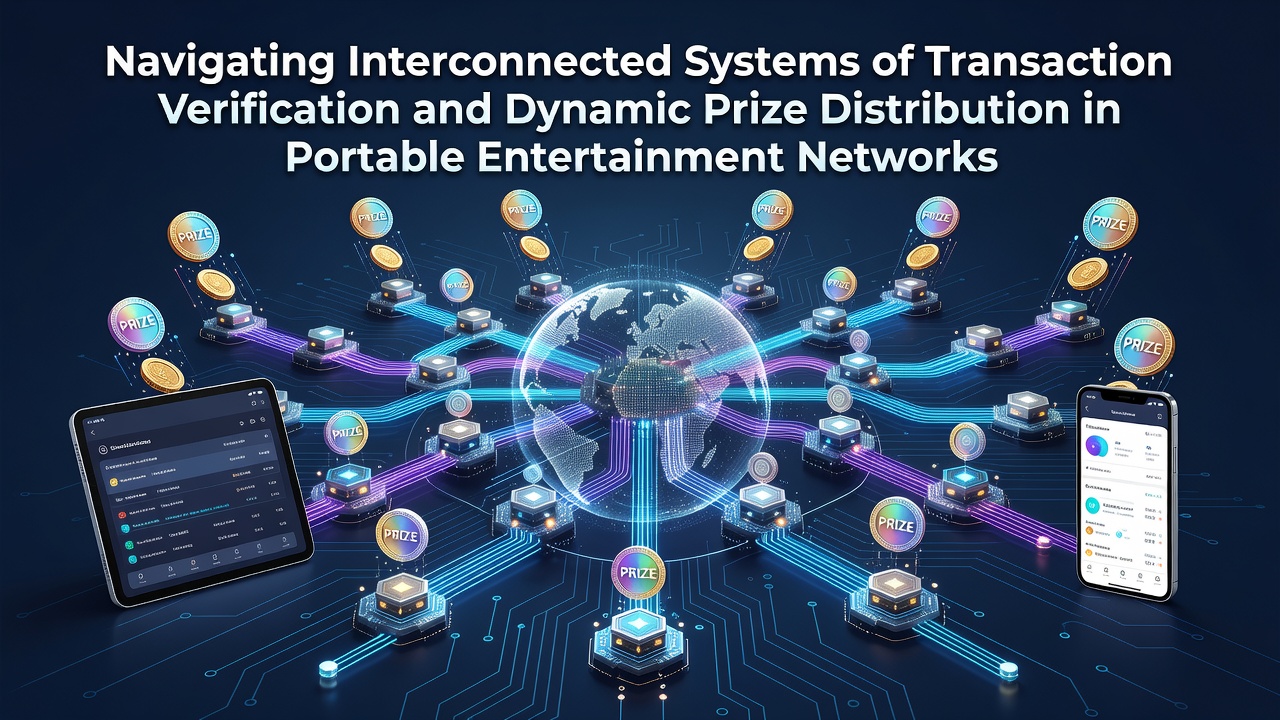
Portable entertainment networks rely on layered verification protocols that connect user devices directly to central processing hubs, and these protocols handle transaction authentication while confirming fund transfers before any prize calculations begin. Data moves through encrypted channels that link mobile applications to payment processors and content servers simultaneously, which ensures each step aligns with security standards set by regional authorities. Observers note that system architectures often incorporate multi-factor checks combining device identifiers, biometric inputs, and real-time location data to reduce discrepancies during high-volume periods. Research from industry reports shows transaction verification occurs in sequential stages where initial authorization precedes fund confirmation, and subsequent validation cross-references account balances against network rules. Portable networks expand these processes across wireless connections that fluctuate in speed and reliability, so engineers design fallback mechanisms using cached data and asynchronous confirmations to maintain continuity. According to figures from the European Commission on digital services, such interconnected setups processed billions of micro-transactions in entertainment sectors during 2025, highlighting the scale at which verification must operate without interruption.Core Components of Verification Frameworks
Verification frameworks consist of authentication layers, ledger synchronization modules, and compliance filters that operate in parallel across portable devices and backend clusters. Each component exchanges signals with others through application programming interfaces that standardize data formats, while algorithms scan for anomalies such as mismatched timestamps or irregular patterns. Those who study these networks find that portable entertainment platforms integrate these elements into unified dashboards, allowing operators to monitor verification success rates and adjust thresholds dynamically when network loads increase.
Security protocols in these systems draw from established cryptographic methods including hash chains and digital signatures, and they update periodically to address emerging vulnerabilities. In June 2026, several jurisdictions plan to enforce enhanced tokenization requirements for all portable transaction streams, which will further link verification steps to real-time regulatory reporting feeds. This development builds on existing frameworks that already route select transaction metadata to oversight bodies without exposing user details.
Mechanics of Dynamic Prize Distribution
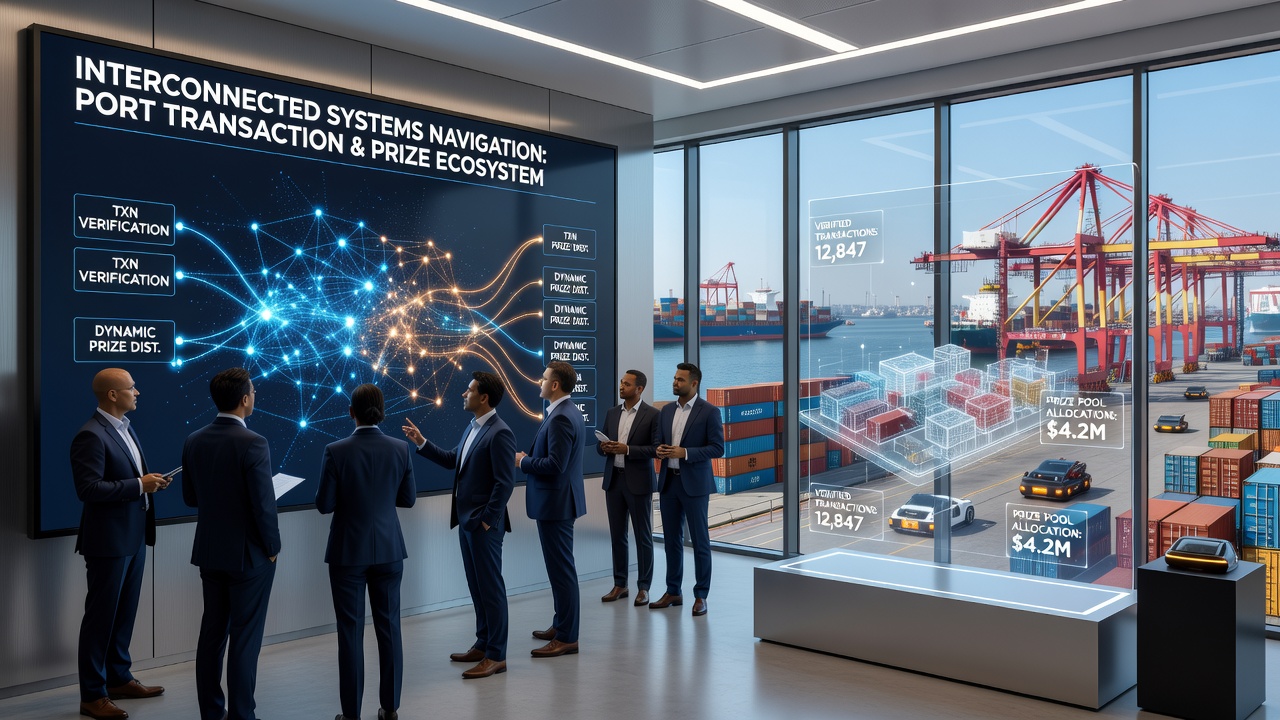
Dynamic prize distribution adjusts allocation parameters based on verified transaction volumes, participant activity levels, and predefined contribution ratios that shift according to network conditions. Algorithms calculate shares by pulling data from synchronized ledgers that record each confirmed entry, and distribution occurs once verification clears all associated checks. Researchers discovered that portable networks benefit from these adaptive models because they accommodate variable user engagement patterns across different time zones and device types.
Distribution engines often employ weighted formulas that factor in recent activity streaks alongside historical participation metrics, and they distribute prizes through the same verified channels used for incoming transactions. Industry analyses indicate that this closed-loop approach minimizes reconciliation errors while enabling near-instant transfers once all parameters align. Observers note that system logs capture every distribution event with granular timestamps, creating audit trails that regulatory entities review during periodic assessments.
Integration Challenges Across Portable Platforms
Integration challenges arise when portable devices encounter inconsistent connectivity or when third-party payment services introduce variable response times into the verification chain. Engineers address these issues by implementing queuing systems that prioritize critical verification tasks, and they deploy redundancy protocols that reroute traffic through alternate pathways when primary routes slow. Data from the Australian Communications and Media Authority reveals rising adoption rates of such resilient architectures in mobile entertainment services, with operators reporting improved uptime statistics after deployment.
Interoperability standards developed by international gaming technology associations further support seamless connections between disparate verification modules and prize engines. These standards specify common data schemas and error-handling procedures, which reduce friction during cross-platform operations. Portable entertainment networks that adhere to these guidelines experience fewer disruptions during peak usage windows, as confirmed through performance metrics shared in sector conferences.
Regulatory Alignment and Reporting Requirements
Regulatory alignment requires portable networks to embed reporting hooks directly into verification and distribution workflows, allowing automated submissions of aggregated activity summaries to oversight agencies. These hooks capture essential metrics such as verification failure rates and prize payout frequencies without transmitting personal identifiers. In several North American regions, updated guidelines effective from mid-2026 will expand the scope of required data fields, prompting operators to refine their system architectures accordingly.
Compliance teams regularly audit these integrated reporting functions to confirm accuracy and timeliness, and they adjust internal thresholds when external rules change. The process maintains separation between operational transaction handling and regulatory data flows, preserving system efficiency while meeting transparency obligations.
Conclusion
Navigating interconnected systems of transaction verification and dynamic prize distribution demands coordinated technical and procedural approaches that span device-level controls through to centralized oversight mechanisms. Portable entertainment networks continue to evolve these capabilities in response to technological advances and regulatory shifts, including those scheduled for June 2026. Evidence from multiple sources demonstrates that careful synchronization across verification stages and distribution algorithms supports reliable operations at scale, while ongoing refinements address connectivity variations and compliance updates.