Unpacking the Role of Verification Steps in Unlocking Tiered Incentives and Live Interaction Features for Smartphone-Based Casino Users
Freya Fischer · Jun 30, 2026
Unpacking the Role of Verification Steps in Unlocking Tiered Incentives and Live Interaction Features for Smartphone-Based Casino Users
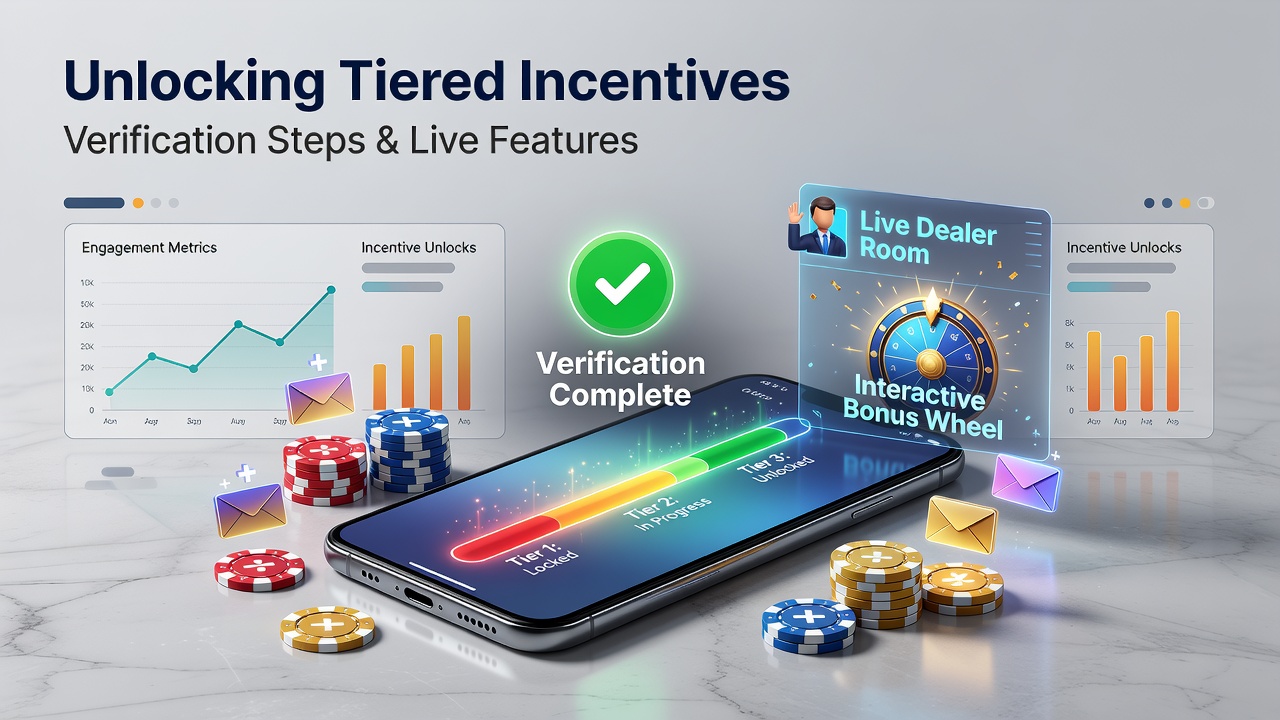
Verification steps form a foundational layer in smartphone casino platforms where identity confirmation processes connect directly to access protocols for progressive rewards and interactive sessions, and these measures align with regulatory frameworks that govern user eligibility across multiple jurisdictions. Data from industry reports indicates that platforms require document uploads, biometric scans, and address validations before advancing users through structured levels, while live dealer streams remain restricted until accounts clear these checks.
Core Components of Mobile Verification Protocols
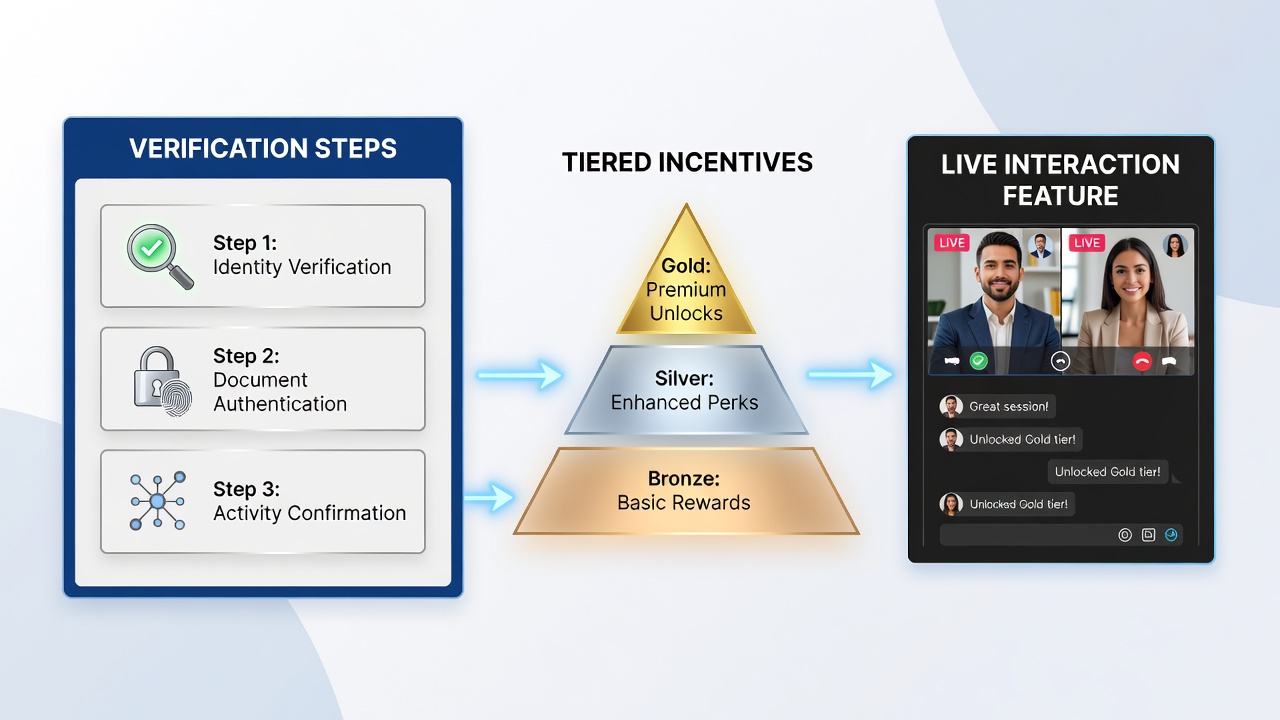
Smartphone applications integrate multi-factor authentication sequences that combine government-issued ID submissions with facial recognition technology, and this combination reduces unauthorized access risks while satisfying compliance standards set by oversight bodies. Observers note that users complete these steps through dedicated app sections where camera functions capture documents in real time, after which automated systems cross-reference details against external databases. Research indicates completion times average between 24 and 72 hours depending on submission volume, and platforms often send push notifications to guide users through any additional information requests.
Geographic variations appear in these protocols because different regions enforce distinct documentation thresholds, yet the core sequence remains consistent across major operators serving mobile audiences. Those who've examined platform architectures report that once initial verification clears, accounts gain baseline functionality that includes standard game libraries, and subsequent tiers activate only after periodic rechecks or activity milestones.
Connections Between Verified Status and Tiered Incentive Structures
Tiered incentive programs operate through cumulative activity tracking that verification enables, since operators must confirm user identities before distributing escalating benefits such as increased cashback percentages, exclusive reload offers, and priority jackpot entries. Figures reveal that platforms segment users into bronze, silver, gold, and platinum categories based on verified deposit histories and play volume, with each advancement unlocking higher reward multipliers that apply specifically to mobile sessions. According to Nevada Gaming Control Board records, verified accounts in regulated markets show higher retention rates tied to these progressive structures because eligibility criteria prevent duplicate or fraudulent claims.
Users progress through these levels by meeting predefined thresholds that verification systems monitor automatically, and the process incorporates both deposit amounts and session durations to calculate points accurately. What's interesting is how mobile interfaces display real-time progress bars that update after each verified transaction, allowing participants to track advancement without manual inquiries. Data shows that operators adjust tier requirements seasonally, and June 2026 updates in several North American markets introduced new activity windows that reset annually to maintain engagement cycles.
Verification Requirements for Live Interaction Access
Live dealer features demand completed verification sequences because regulatory standards classify these sessions as higher-risk interactions that involve real-time human participation and potential financial exchanges. Platforms restrict table entry until accounts receive full clearance, and this gatekeeping mechanism aligns with anti-money laundering directives enforced by bodies such as the Alcohol and Gaming Commission of Ontario. Researchers discovered that verified mobile users experience seamless transitions into live environments where chat functions, camera angles, and betting interfaces activate without interruption once identity confirmation finalizes.
Smartphone optimizations play a key role here since applications leverage device-specific capabilities like secure enclave storage for credential retention, and this reduces repeated verification prompts during subsequent logins. Those who've studied user behavior patterns report that live session durations extend noticeably after verification completion because participants gain confidence in account stability and fund security. External audits confirm that operators maintain separate verification logs for live features to demonstrate compliance during inspections, and these records often include timestamps that correlate directly with feature unlock events.
Smartphone Trends and Regulatory Developments Through Mid-2026
Mobile casino ecosystems continue evolving with verification technologies that incorporate artificial intelligence for faster document processing, and these advancements coincide with broader regulatory shifts expected to influence incentive and live feature availability. June 2026 marks a period where several provinces and states implemented synchronized re-verification schedules for high-activity accounts, ensuring ongoing compliance while minimizing disruptions to tier progression and live table access. Industry analyses indicate that biometric advancements now allow fingerprint or facial confirmation to serve as ongoing safeguards that protect unlocked incentives without requiring full re-submission of documents.
Platform developers integrate these elements into unified dashboards that display both incentive status and live availability indicators side by side, and this design choice reflects data-driven approaches to user retention. Observers note that verification completion rates have increased alongside improved mobile interface clarity, with fewer abandoned processes reported in recent quarterly summaries from regulatory filings.
Conclusion
Verification steps serve as the operational bridge that connects regulatory compliance with user access to structured rewards and live participation options on smartphone platforms, and the mechanisms continue to adapt alongside technological and legal developments. Data indicates that platforms prioritizing efficient verification pathways maintain stronger user progression through incentive tiers while supporting uninterrupted live interactions. Those monitoring these systems expect further refinements in 2026 that will streamline processes without compromising established safeguards.